
Echo Weaver progression: Master Secrets and Time Loops
Learn how Echo Weaver progression works, what survives each reset, and how secrets, movement, and smarter routes help you make the most of every time loop.
Jump to
How Echo Weaver Progression Actually Works
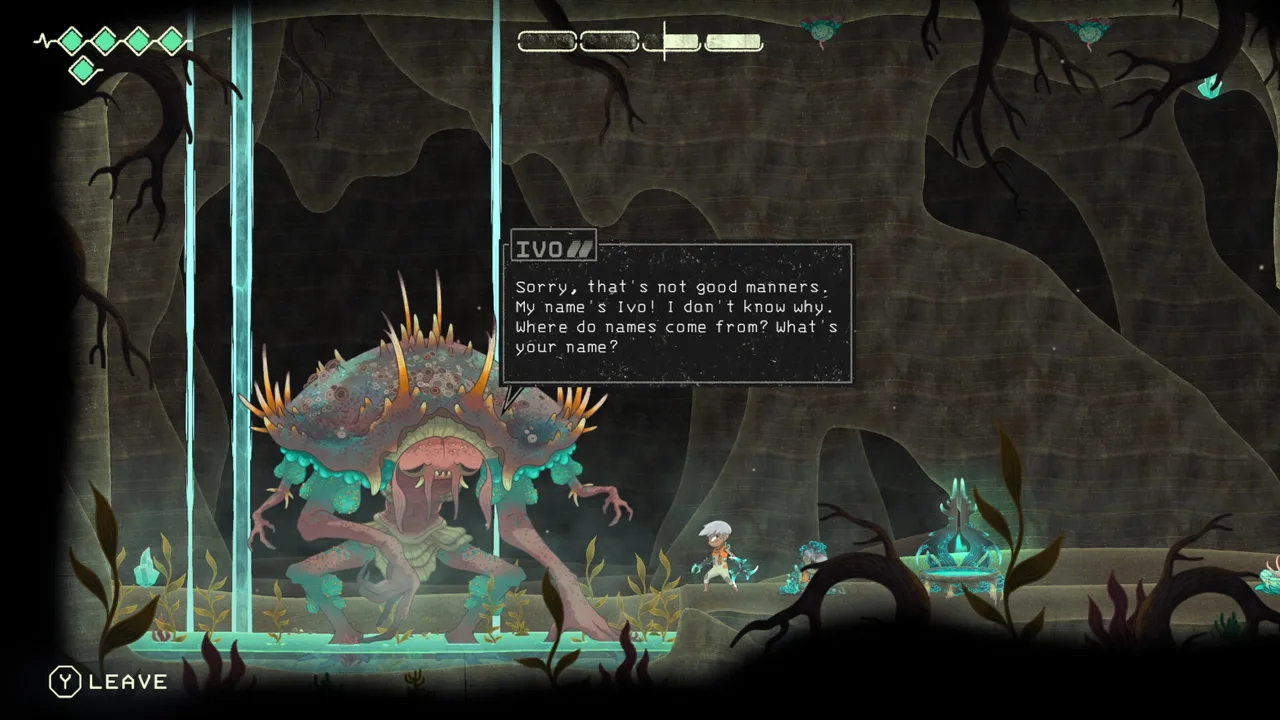
A blocked passage in Echo Weaver can become a shortcut once you understand a move you could already perform. Echo Weaver progression revolves around discovering abilities, understanding the world, and using that knowledge before the time loop resets. Understanding Echo Weaver progression helps you turn repeated trips through familiar rooms into useful experiments, even when the clock runs out.
Moonlight Kids’ adventure combines an interconnected Metroidvania map with a repeating time loop. You explore the ruins of Provenance, follow characters’ stories, and learn how your Weaver and alien glaive interact with the environment. Each discovery can change how you approach places you have already visited.
The game calls this approach a “metroidbrainia”: progress depends heavily on knowledge. Learning a technique can expand your options immediately, without requiring the familiar sequence of finding an upgrade and equipping it.
| Progression element | What it contributes |
|---|---|
| Ability knowledge | Reveals techniques and powers you can use to overcome obstacles |
| Map exploration | Builds a record of the world that remains through resets |
| Route knowledge | Helps you recognize shortcuts and reach distant areas sooner |
| Timing knowledge | Reveals when changing conditions affect access |
| Movement practice | Helps you execute routes and platforming sequences more consistently |
A useful early goal is to leave each loop with something specific learned. That might be a new passage, an ability clue, or the realization that a door closes before you normally reach it. Reaching a quest objective is valuable, but discovering why your route failed can also improve the next attempt.
Official source: Echo Weaver (store.steampowered.com)
Secrets, Abilities, and the Glaive
The defining feature of Echo Weaver progression is how abilities become available to you as a player. Many powers already exist within your character’s capabilities; discovering their procedures teaches you how to use them.
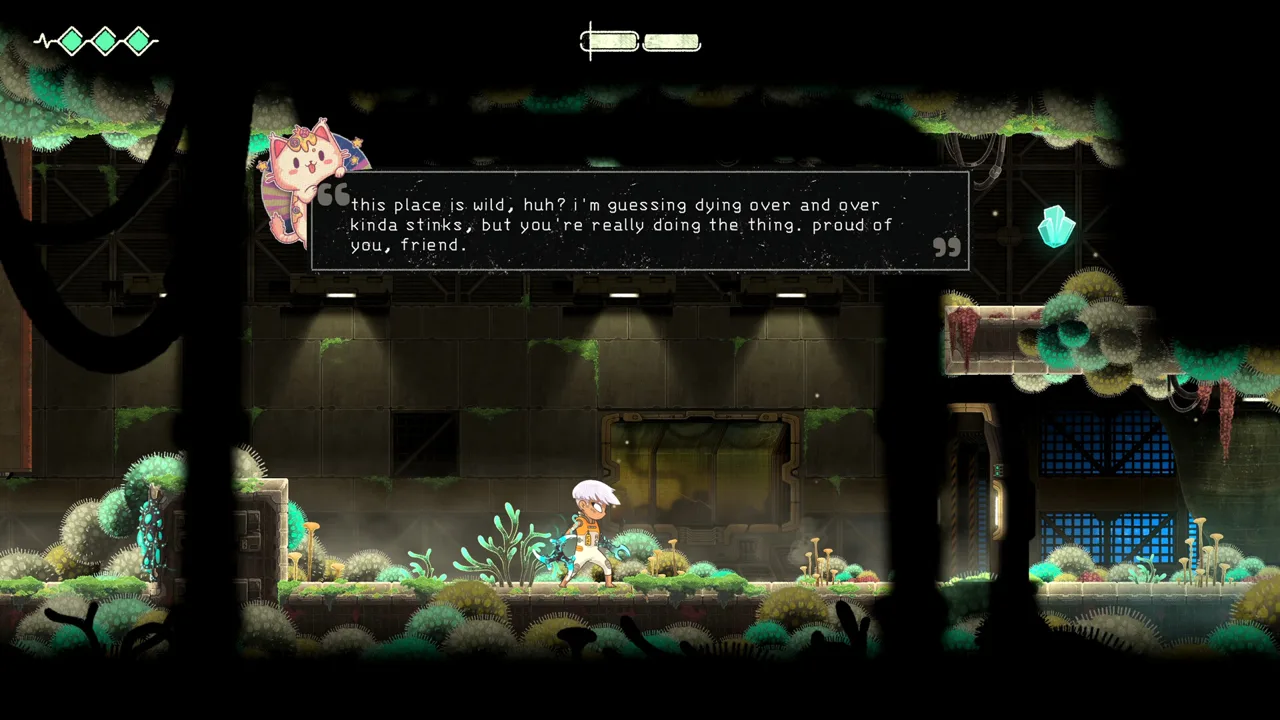 Image: Steam / Moonlight Kids
The glaive sits at the center of this system. It resembles a returning throwing weapon, but its role extends beyond attacking enemies. It solves puzzles and provides unusual powers that can help you bypass obstacles. Combat encounters are relatively sparse, so treating every problem as a fight misses much of the game’s design.
A small ability spoiler illustrates the distinction: the glaive can be set on fire before the game eventually teaches you how. The discovery gives you practical knowledge about an existing power. Knowing that possibility exists is different from knowing the procedure, so this guide leaves the execution for you to uncover.
Turn Each Discovery Into an Experiment
When you learn a technique, a good approach is to practice it somewhere familiar before attempting a complicated route. Then consider earlier obstacles that might respond to it.
Ask yourself:
- Could this technique reach a passage I previously passed?
- Could it shorten a route I already understand?
- Could the glaive interact with an obstacle differently?
- Could this ability provide another way around a barrier?
These questions follow directly from the game’s emphasis on using powers creatively. They also give backtracking a purpose: you are revisiting a specific problem with a new possibility in mind.
Avoid assuming that a technique has only the use demonstrated when you discover it. The movement and puzzle systems invite you to reconsider familiar spaces as your understanding grows.
There is an early-game qualification to the knowledge-based premise. Some abilities are restricted until you complete the tutorial section, even though many later techniques can be used with prior knowledge. If a remembered move does not work during a new playthrough’s introduction, finish that section before assuming your execution is wrong.
Manage the Time Loop as a Resource
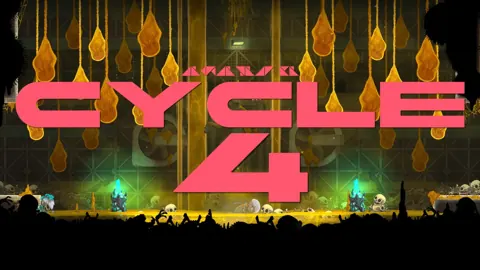
Echo Weaver progression also depends on understanding what the timer represents. Time determines how long you can explore, but it also functions as a spendable resource.
 Image: PlayStation Store
The game’s store description identifies healing, trading, and opening routes among the uses that draw from the loop. That makes time management a matter of deciding where your remaining time will accomplish something useful.
Crystals found around the map can extend the current loop. Some collectibles also increase the time you begin future loops with. The reported maximum is 13 minutes, so extending your time does not remove the need to plan.
| Time mechanic | How it affects your decisions |
|---|---|
| Limited loop duration | Places a deadline on exploration and objectives |
| Time-extending crystals | Can provide additional time during a loop |
| Certain persistent time collectibles | Can increase the starting time of later loops |
| 13-minute maximum | Limits how far a loop can be extended |
| Spending time on actions | Creates tradeoffs between immediate benefits and remaining exploration time |
Give Each Loop a Clear Purpose
A useful approach is to distinguish learning attempts from attempts to complete an objective.
During a learning attempt, investigate a clue, observe a changing door, or practice an unfamiliar passage. During an objective attempt, use what you already understand to reach your destination with fewer detours.
You can still change plans when something interesting appears. The purpose is to help you judge whether a diversion supports the current goal.
Crystal detours deserve the same consideration. A pickup can extend your opportunity to explore, but traveling toward it also takes time. Consider whether it fits your route instead of automatically chasing every visible collectible.
The timer can be frustrating when you are close to understanding a puzzle. If an attempt ends, identify the unanswered question before trying again. “I need to discover what this obstacle responds to” gives the next loop a clearer direction than simply returning and hoping for a different result.
Build Routes Around Clues, Characters, and Timing
A reliable approach to Echo Weaver progression is to connect information gathering with route planning. Characters, glimpses of the past, and environmental changes all contribute to understanding where you should go and what you should try there.
 Image: Steam / Moonlight Kids
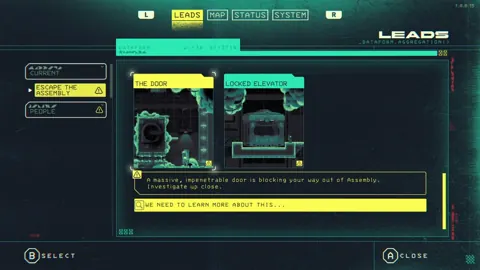
Your companion, Intrepid, helps track the threads you follow between loops. The in-game quests and leads provide a place to review those mysteries. When exploration starts feeling aimless, reviewing them can help you choose a concrete question to investigate.
Character interactions matter because they can reveal information about the world and its factions. Memories of the past can also demonstrate abilities. These discoveries connect narrative exploration with practical progress.
| Suggested planning step | Question to answer |
|---|---|
| Choose a lead | What mystery or obstacle am I investigating? |
| Identify the destination | Where can I find information relevant to that question? |
| Review the approach | Do I know a shorter path or another entrance? |
| Consider timing | Does access change during the loop? |
| Review the attempt | What did I learn that changes my next plan? |
Treat this table as a planning aid rather than a required quest order. The game’s secrets support experimentation, and a newly discovered shortcut may make another lead easier to pursue.
Diagnose the Barrier Before Repeating the Route
Several different problems can look like “I cannot get through here.” You might lack knowledge of an ability, arrive after a door closes, or struggle to execute the movement you already understand.
Each problem suggests a different response. An ability gap calls for more investigation. A timing problem suggests changing your departure or approach. An execution problem benefits from practice.
If you have observed a door closing during the loop, for example, a good next attempt is to prioritize reaching that door earlier. This tests the timing question directly.
Be cautious about assuming quest outcomes persist exactly as they would in a conventional adventure. Map progress and learned knowledge are retained, but those facts do not establish a universal rule for every character’s quest. Pay attention to the conditions of the objective you are pursuing.
Movement Mastery, Resets, and Replay Progress
Movement turns your growing understanding into practical results. Echo Weaver combines platforming with routing, and later discoveries can make familiar journeys feel much more fluid.
Sliding for speed and slingshot-like movement feature in its traversal. The useful question is how those techniques fit the path ahead. A move that helps on a familiar stretch may require more practice around hazards or narrow landings.
Time trials provide another way to work on these skills. They test both platforming execution and your route to a plinth. If you enjoy refining traversal, they offer a focused reason to examine how you move through the map.
| Practice focus | Suggested approach |
|---|---|
| Technique execution | Repeat a learned move in familiar surroundings |
| Route efficiency | Look for detours that new abilities could eliminate |
| Hazard familiarity | Observe the sequence before attempting a faster passage |
| Time-trial routing | Consider the approach to the plinth alongside individual jumps |
A good approach is to improve consistency before adding more speed. Reaching a destination reliably gives you a clearer basis for experimenting with a faster route.
What Survives a Reset?
Map progress and your knowledge remain through resets. You do not have to forget where a passage leads or relearn a technique because the world has restarted.
Certain collectibles can also improve your starting time in later loops. Keep that distinction separate from crystals that extend the current attempt; their contributions to your time budget differ.
For Echo Weaver progression, this means a reset can preserve meaningful advances even when it interrupts the immediate objective. A failed journey may still leave you with a mapped route, a useful clue, or a better understanding of when to arrive.
Replay value follows from the same design. On another playthrough, knowing abilities and shortcuts can change your approach substantially. You can explore how early familiar techniques become useful or how efficiently you can connect objectives, while remembering the tutorial restrictions.
Avoid treating a perfect route as an early requirement. The game’s structure gives you repeated opportunities to assemble one through discovery and practice.
FAQ
How does Echo Weaver progression differ from a traditional Metroidvania?
Many abilities become useful when you learn how to perform them. Progress centers on discovering techniques, understanding puzzles, and improving routes through a repeating time loop. Some abilities have restrictions during the tutorial.
What carries over when the time loop resets?
Your map progress remains, along with the knowledge you have gained. Certain collectibles can increase the starting time of later loops. This does not establish that every quest outcome or environmental change persists.
How long can a loop last in Echo Weaver?
The reported maximum is 13 minutes. Crystals can extend your available time, and some collectibles improve future starting time, but the maximum still limits an extended loop.
What should I do when I feel stuck?
Review your quests and leads, then identify whether the obstacle involves missing knowledge, timing, or movement execution. A good next loop tests one specific possibility: investigate an ability clue, reach a changing door earlier, or practice the route that is causing trouble.
Continue with
 Echo Weaver time loop: How Resets and Progress WorkLearn how the Echo Weaver time loop works, what survives resets, and how bells, time crystals, and hidden abilities help you plan a smarter route forward.
More in Mechanics
Echo Weaver gameplay: Time Loops, Secrets, and Tips
Explore Echo Weaver gameplay, from time loops and glaive puzzles to movement and lasting discoveries. Learn how to plan routes and make each reset count.
Echo Weaver glaive powers: Teleportation and Combat
Learn how Echo Weaver glaive powers support teleportation, combat, and lock interactions. Plan smarter routes and use the time loop to practice your moves.
Echo Weaver metroidvania game: Time Loop Mechanics
Explore the Echo Weaver metroidvania game with a spoiler-light guide to time loops, knowledge-based abilities, glaive movement, and smarter route planning.
Join the community
Official channels for news, updates and player help: