
Echo Weaver metroidvania game: Time Loop Mechanics
Explore the Echo Weaver metroidvania game with a spoiler-light guide to time loops, knowledge-based abilities, glaive movement, and smarter route planning.
Jump to
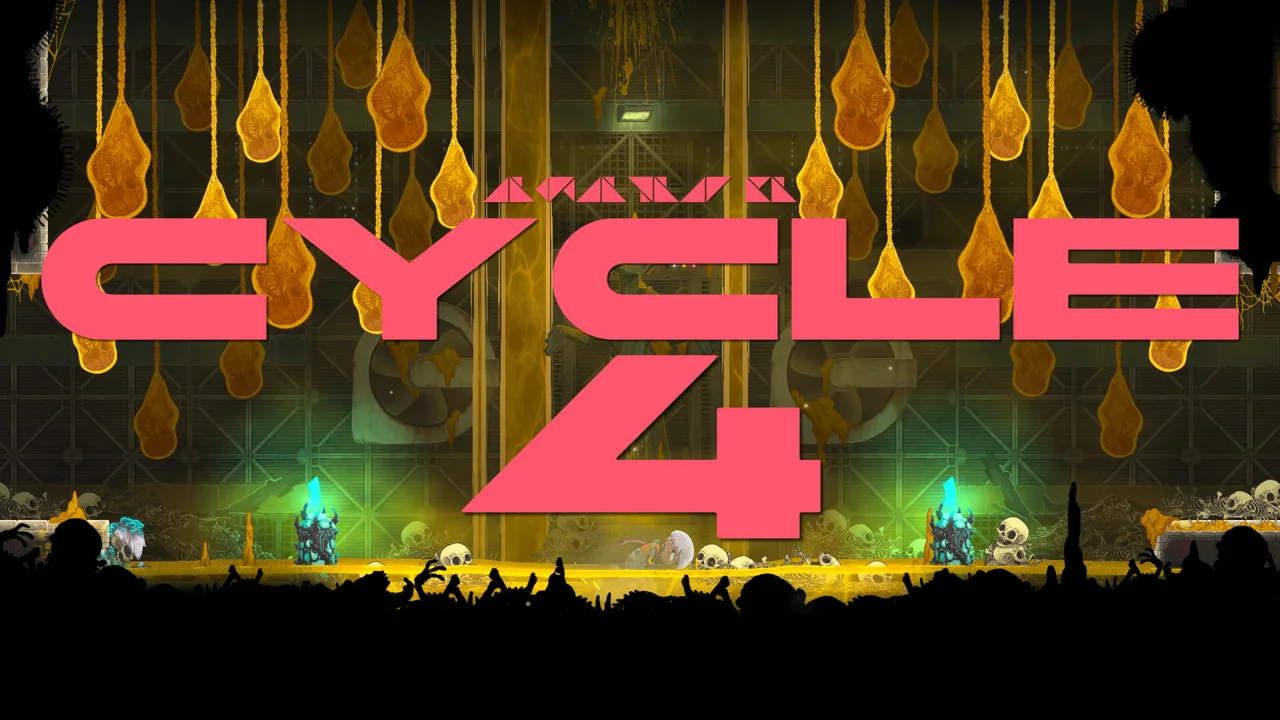
How Knowledge Changes Metroidvania Progression
A blocked passage can become a shortcut the moment you understand your own abilities. The Echo Weaver metroidvania game makes those discoveries matter because learning a technique can change your route through an entire time loop. Getting comfortable with the Echo Weaver metroidvania game starts with treating strange obstacles as questions worth investigating.
Developed by Moonlight Kids and published by Akupara Games, Echo Weaver combines exploration, movement, and a repeating clock. Its central twist is that knowledge drives progression: powers can already be available before you understand how to use them.
That changes what you should look for while exploring. An unfamiliar barrier might call for a technique you have yet to learn, a better approach, or an understanding of when something happens.
What Does “Metroidbrainia” Mean?
The Echo Weaver metroidvania game uses the term “metroidbrainia” for its approach to exploration. You expand your options by discovering information about abilities and the world.
Think of learning the wall jump in Super Metroid. Understanding the move changes which places you can reach, even without collecting an item. Echo Weaver builds much of its progression around that kind of realization.
| Progression element | How Echo Weaver handles it | Useful player approach |
|---|---|---|
| Ability discovery | Learning reveals powers already at your disposal | Pay attention to demonstrations and clues |
| Obstacles | Clever uses of abilities can bypass barriers | Reconsider familiar obstacles after discoveries |
| Exploration | Knowledge can reveal hidden shortcuts | Revisit routes that previously felt inefficient |
| Repeated attempts | Loops provide opportunities to practice and optimize | Carry a specific question into each attempt |
There is an early exception to keep in mind. The review describes some abilities remaining unavailable until the tutorial is completed, even when the player already knows their inputs from a previous playthrough. That restriction applies to the opening section described in the review; it should not be mistaken for the broader progression model.
For a first playthrough, a good approach is to follow the introduction, then experiment as the world opens up. Avoid looking up complete ability instructions immediately if discovering movement tricks is part of the appeal.
How the Time Loop Turns Seconds Into a Resource
The clock gives exploration a practical cost. Every detour uses part of your current attempt, and learning a faster route can leave room for another objective.
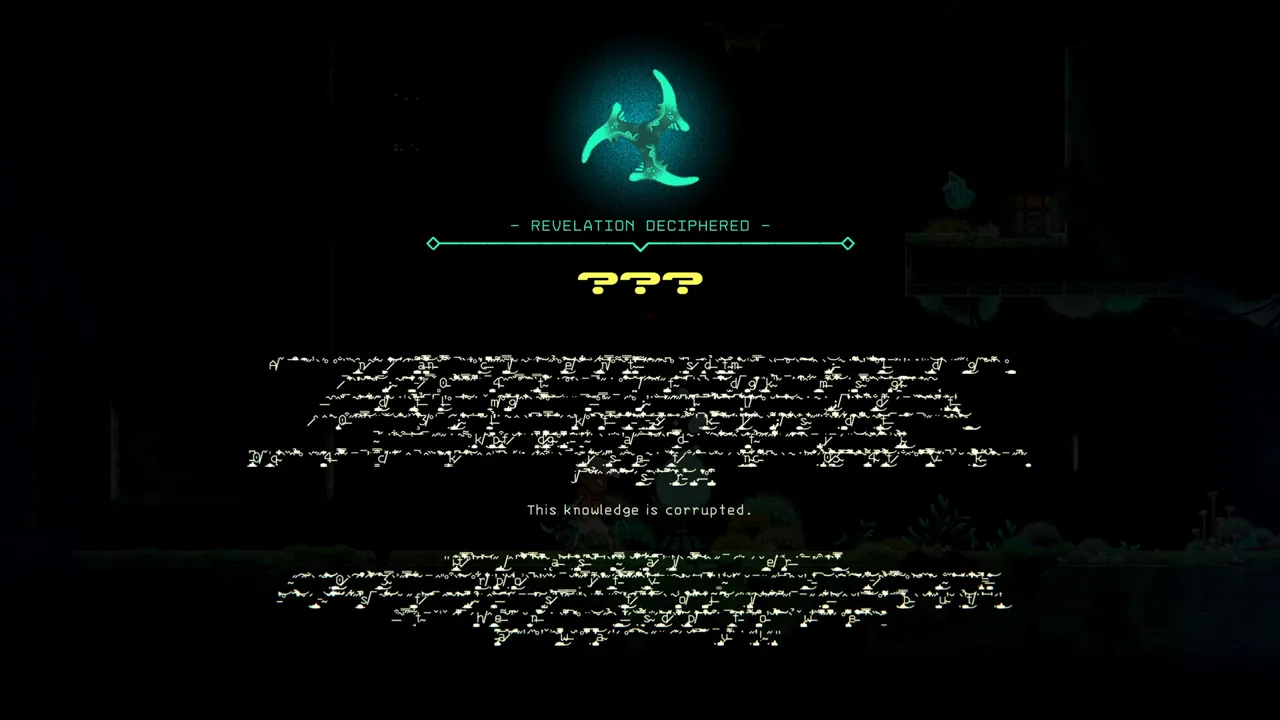 Image: Steam / Moonlight Kids
In the reviewed version, an individual loop cannot exceed 13 minutes. Crystals found around the map can extend your available time, and some collectibles increase the amount you begin with on subsequent loops. The maximum is a ceiling, rather than a promise that every attempt starts with that much time.
The Echo Weaver metroidvania game also lets you spend time deliberately. Its Steam description identifies healing, trading, and opening routes as uses for the loop’s remaining budget.
| Time mechanic | What it means for your route | Planning tip |
|---|---|---|
| Time pickups | Collecting them can extend the current loop | Consider whether a pickup justifies the detour |
| Starting-time increases | Some collectibles improve future starting budgets | Investigate them when repeated routes feel tight |
| Healing | Recovery draws from your time resource | Practice familiar hazards to reduce avoidable costs |
| Trading and route access | Certain interactions consume time | Account for these costs before adding another objective |
| Scheduled changes | Some doors close during the loop | Investigate timing as well as geography |
This makes a route more complicated than choosing the shortest corridor. A longer path with useful time pickups might deserve consideration. A fast route that repeatedly leads to costly recovery might need more practice before becoming your preferred approach.
The game offers repeated attempts, so an incomplete loop can still teach you something valuable. Discovering when a door closes or where a shortcut leads gives your next plan a firmer foundation.
If countdowns make you tense, try giving an exploratory loop a modest goal: investigate one lead or learn one troublesome section. That approach follows the game’s emphasis on accumulating knowledge, while avoiding the expectation that every attempt must finish a major task.
Infinite retries do not remove the pressure of a running clock. They do, however, give you room to separate learning a route from executing it efficiently.
Movement, the Glaive, and Better Routes
Movement sits at the center of the Echo Weaver metroidvania game. Your ability to cross the ruins efficiently determines how much you can investigate before another reset.
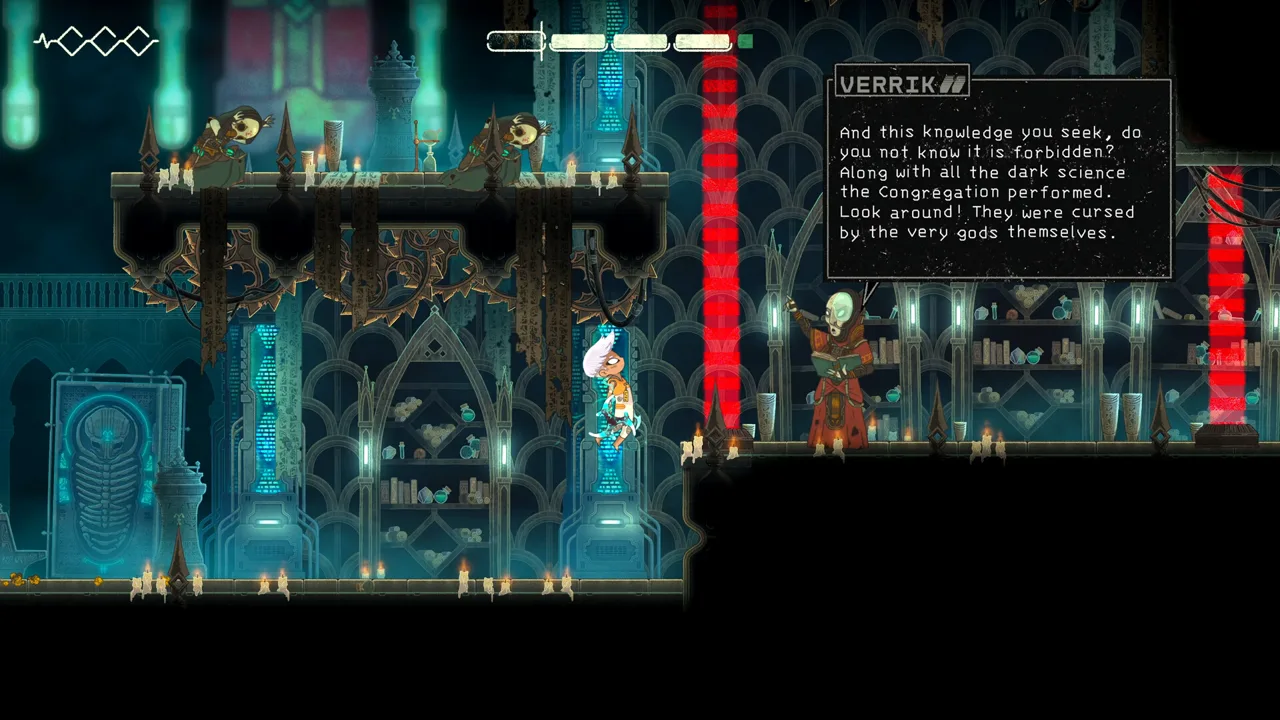 Image: Steam / Moonlight Kids
The alien glaive is central to the game’s powers. The Steam description presents it as bound to the Weaver and capable of bending reality, with applications for bypassing obstacles and discovering shortcuts. Learning its possibilities connects ability discovery directly to exploration.
The review describes movement developing into combinations of sliding, slingshotting, and other techniques. Those descriptions convey how traversal grows without giving away the inputs or discovery locations.
A useful way to practice is to revisit a stretch you already understand after learning something new. Familiar terrain makes it easier to notice whether a technique changes your speed, access, or control.
| Practice focus | What to investigate | Why it matters |
|---|---|---|
| A familiar corridor | Whether a new technique changes traversal | It gives you a clear comparison with your earlier route |
| A known barrier | Whether an ability offers another way through | Discoveries can change previously understood obstacles |
| A distant destination | Whether shortcuts reduce travel | Less travel can leave more time for tasks |
| A recurring hazard | Whether your movement can become more consistent | Reliable execution supports repeatable plans |
| A time trial | How route choice affects reaching its plinth | Trials test planning alongside platforming execution |
Use Time Trials to Examine Your Route
Echo Weaver includes time trials that challenge you to reach a plinth efficiently. They provide a focused reason to combine movement techniques with knowledge of the map.
A good approach is to learn the path before pushing for speed. Once the route makes sense, examine where you hesitate, take unnecessary turns, or struggle to connect movements.
You can also use a trial to evaluate one newly discovered technique. Trying to change every part of a route at once makes it harder to identify which adjustment helped.
The Steam description emphasizes rhythm, hazard familiarity, and routing over raw reflexes. That suggests a useful practice priority: build a sequence you understand and can repeat, then work on making it faster.
Characters and Clues Are Part of the Mechanics
The Echo Weaver metroidvania game connects its world mystery to the information you need for exploration. Conversations, memories, and character objectives help you understand both the ruins and the people trapped within them.
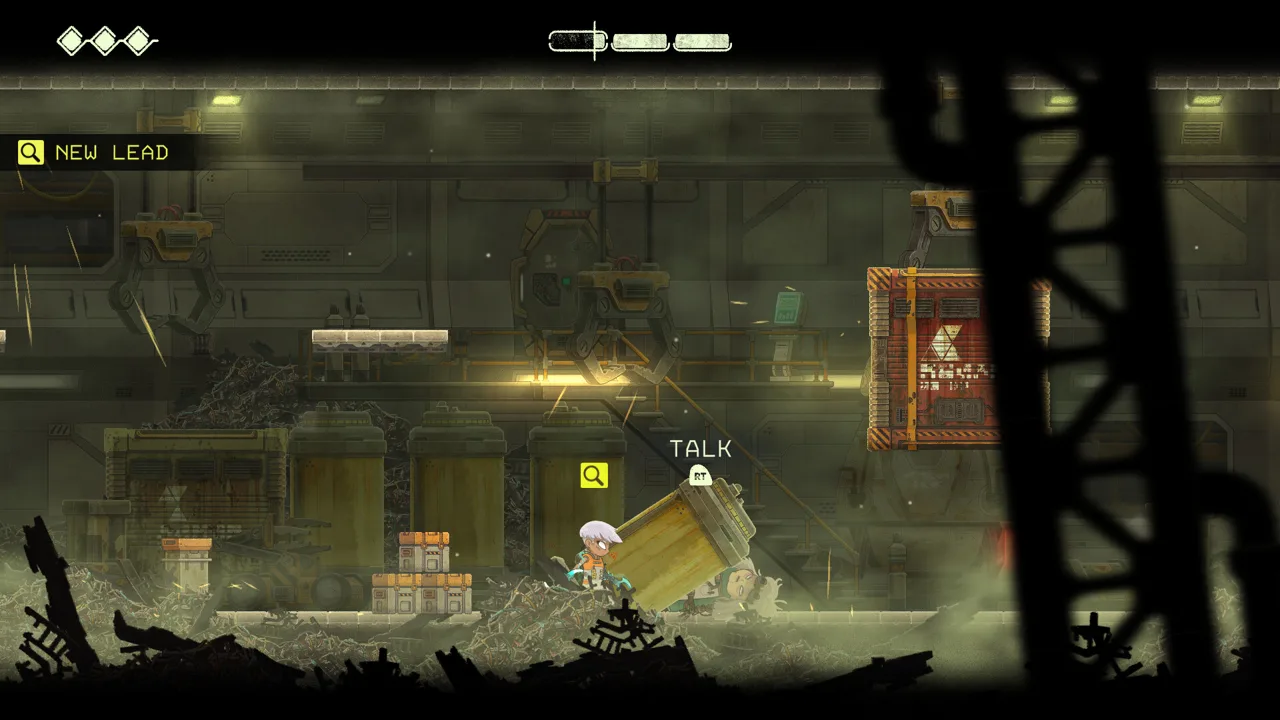 Image: Steam / Moonlight Kids
You play as the last Weaver, investigating a collapsed world and the forces behind its condition. Questions about the Weavers, the Congregation, and the loop provide reasons to keep exploring beyond finding another passage.
Early on, you meet Intrepid, a companion who helps track the threads you follow between loops. The review also describes menus containing quests and leads, giving you somewhere to reconsider unresolved questions before choosing your next destination.
A useful habit is to review those leads when you feel directionless. Look for a connection between something you recently learned and a place or person you previously could not help.
Memories glimpsed through time rifts can teach abilities, while residents provide information about the world and its factions. Paying attention to both makes sense: a historical scene may change what you can do, and a conversation may change where you want to go.
Characters include a pizza-slinging cat, a refugee leader, and a cleric preaching doom. Their presence gives the loop personal stakes alongside its routing problems.
Try approaching a character objective with a clear question. What information are you missing? Does reaching the character require a different route? Could another lead explain what you encountered? These are useful ways to direct exploration without assuming a solution the game has not revealed.
A Practical Plan for Your Next Loop
The Echo Weaver metroidvania game rewards attempts that build on earlier discoveries. You do not need a complete map of the solution to make your next loop useful; you need a manageable objective and a reason for choosing it.
Consider separating your attempts by purpose. Exploration helps you find information. Practice helps you execute what you know. A planned objective run brings those pieces together.
| Loop purpose | Suggested focus | Useful result |
|---|---|---|
| Discovery | Follow an unresolved clue or inspect unfamiliar terrain | New information about the world |
| Timing | Observe when a relevant passage changes | A clearer idea of when to visit |
| Movement practice | Try a known ability along a familiar route | More consistent traversal |
| Objective attempt | Use a route you have already investigated | Progress toward a particular task |
| Route revision | Reconsider travel after a discovery | A plan with fewer unnecessary detours |
These are planning suggestions, not modes selected from a menu. Their purpose is to make it easier to understand what an attempt accomplished.
For example, suppose you discover that a door closes before you reach it. A good next step is to try visiting that location earlier, rather than repeating the same route and hoping for a different outcome.
If a newly learned technique suggests another way around the obstacle, that becomes a separate experiment. Test whether it works before building a longer objective sequence around it.
A few habits follow naturally from these mechanics:
- Choose a primary objective. Give yourself a clear reason to visit an area.
- Reconsider old barriers. New knowledge may change your options.
- Watch the time budget. Healing and other transactions can affect what remains possible.
- Practice troublesome stretches. Reliable movement helps turn a plan into a repeatable route.
- Leave room for discoveries. An unexpected clue may be more useful than completing the original itinerary.
Echo Weaver released on October 8, 2026, according to its Steam listing, which identifies Windows and macOS support. It also lists a demo and full controller support. You can view Echo Weaver and its demo on Steam if you want to explore its movement and knowledge-driven structure.
FAQ
What makes the Echo Weaver metroidvania game different?
Its progression centers on knowledge. Learning how to use abilities and interpret the world can reveal routes that were previously inaccessible to you. The repeating loop connects those discoveries with movement practice and time management.
How long does an Echo Weaver time loop last?
The reviewed version caps an individual loop at 13 minutes. Starting time varies with progression: pickups can extend a loop, and some collectibles increase the time available at the beginning of future attempts.
Does Echo Weaver have traditional ability upgrades?
The game describes its powers as already available for you to discover how to use. However, the review notes that some abilities are restricted until the early tutorial is completed, including on a repeat playthrough.
Can you spend time on things besides exploration?
Yes. The Steam description identifies healing, trading, and unlocking routes as uses for your time resource. A good approach is to include those costs when planning a loop, alongside travel and any timing-sensitive passages.
Continue with
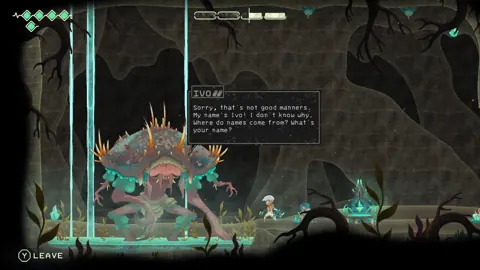 Echo Weaver progression: Master Secrets and Time LoopsLearn how Echo Weaver progression works, what survives each reset, and how secrets, movement, and smarter routes help you make the most of every time loop.
More in Mechanics
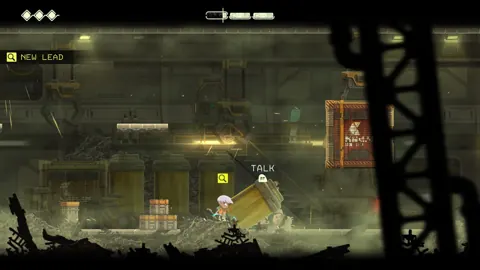
Echo Weaver gameplay: Time Loops, Secrets, and Tips
Explore Echo Weaver gameplay, from time loops and glaive puzzles to movement and lasting discoveries. Learn how to plan routes and make each reset count.
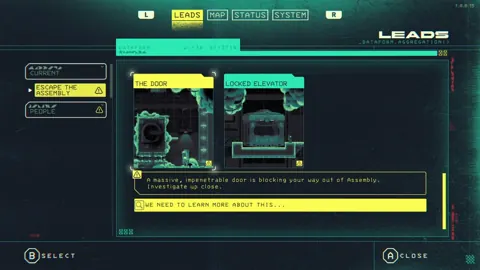
Echo Weaver glaive powers: Teleportation and Combat
Learn how Echo Weaver glaive powers support teleportation, combat, and lock interactions. Plan smarter routes and use the time loop to practice your moves.
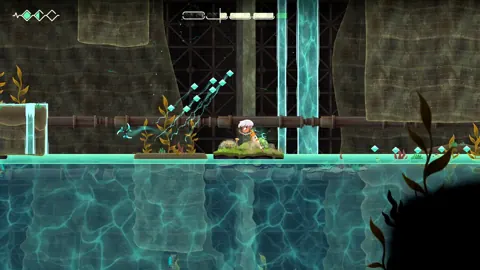
Echo Weaver time loop: How Resets and Progress Work
Learn how the Echo Weaver time loop works, what survives resets, and how bells, time crystals, and hidden abilities help you plan a smarter route forward.
Join the community
Official channels for news, updates and player help: