
Echo Weaver secrets: A Guide to Glaive and Time Loops
Discover Echo Weaver secrets, understand the glaive, and plan smarter time loops with practical tips for exploring Provenance and following hidden clues.
Jump to
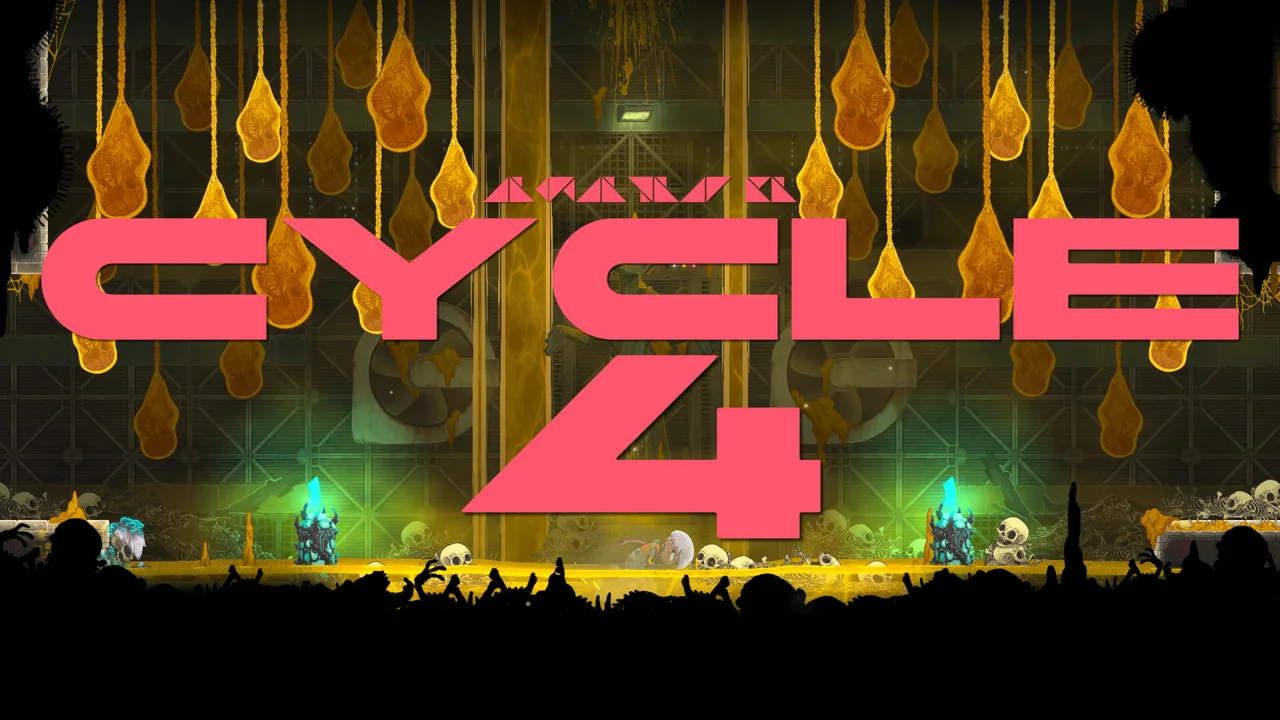
Why Echo Weaver Secrets Change How You Explore
A blocked path in Echo Weaver can be an invitation to rethink what you already know. Echo Weaver secrets matter because knowledge drives progression: your powers are already available, but understanding how to use them opens new possibilities. Learning to recognize Echo Weaver secrets helps you connect the glaive, your remaining time, and the mysteries of Provenance into a more purposeful loop.
Moonlight Kids’ adventure puts you in the role of the last Weaver, a survivor of a ruined society caught in a fatal time loop. Exploration means piecing together both the world’s history and your own while learning how to navigate its obstacles.
This guide focuses on the game’s established discovery systems and practical ways to approach them. It covers knowledge, time management, glaive experimentation, and story clues without revealing puzzle solutions.
Understand what counts as a secret
Echo Weaver describes its design as a “metroidbrainia.” The central idea is that progress depends on learning how to use capabilities you already possess. A revelation can change how you approach a familiar area without requiring an equipment upgrade.
That makes secrets broader than hidden collectibles. They can involve an application of the glaive, a shortcut revealed by an earlier loop, or an understanding of the people trapped alongside you.
| Discovery area | Established role in Echo Weaver |
|---|---|
| Glaive knowledge | Helps you understand and apply its reality-bending powers |
| Hidden shortcuts | Can be discovered through revelations from previous loops |
| Time-altering anomalies | Are part of mastering the loop and working toward breaking it |
| Survivor stories | Help you understand Provenance and its central conspiracy |
A good approach is to treat each obstacle as a question. What do you understand about it? What remains unexplained? Does something you recently learned suggest a different use of an existing power?
Keep those questions specific. “Explore more” gives you little direction. “Revisit that obstacle after understanding this glaive clue” creates a focused experiment, even if the attempt only helps you rule out an idea.
Official source: Echo Weaver (store.steampowered.com)
Learn the Glaive by Connecting Clues to Obstacles
The alien glaive is bound to the Weaver and grants unusual powers that can bend reality. Its importance extends beyond its appearance: the game explicitly connects understanding its power with bypassing obstacles and finding hidden shortcuts.
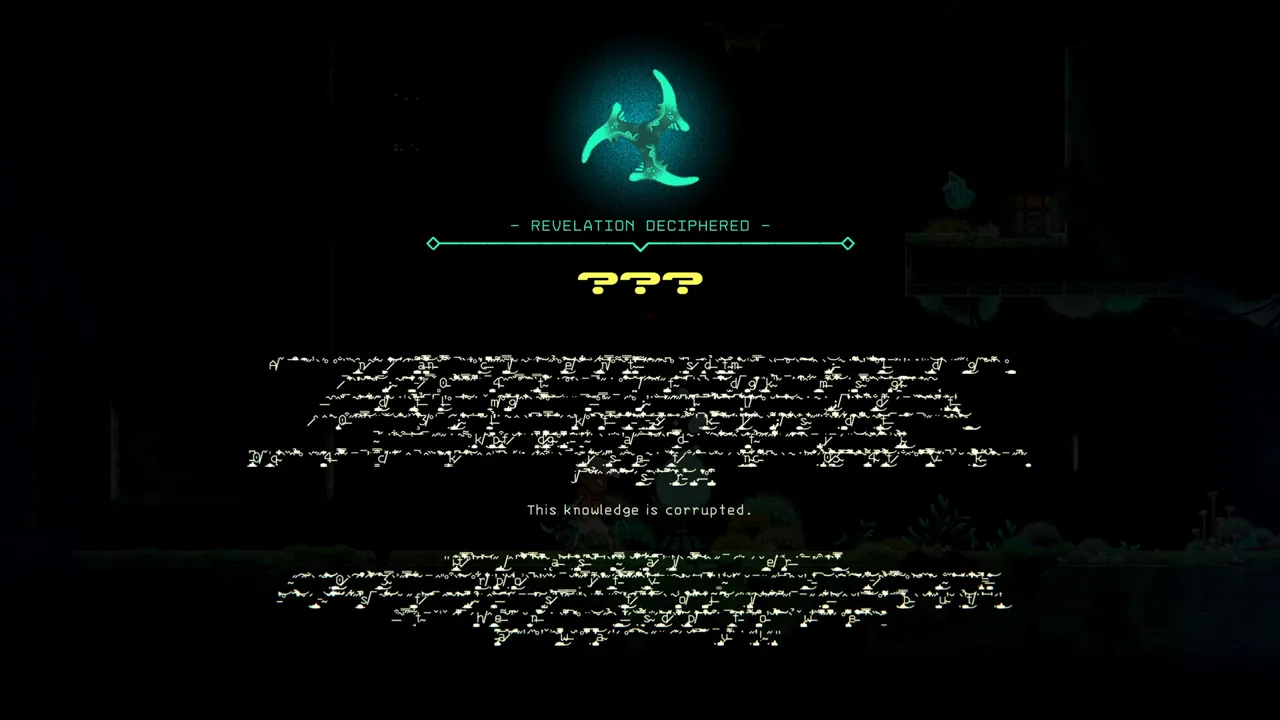 Image: Steam / Moonlight Kids
For anyone hunting Echo Weaver secrets, the useful starting point is curiosity about what the glaive can accomplish. Its complete applications are discoveries to make during play, so assuming it has only one purpose can limit your exploration.
Experiment with a clear question
A good approach is to connect experimentation to something you have observed. If a clue suggests an unfamiliar application of the glaive, return to a relevant obstacle and investigate that possibility.
Avoid changing several parts of your approach at once. Keeping an experiment focused makes the result easier to interpret. You want to know whether a particular idea helped, rather than wonder which part of an improvised attempt mattered.
| Glaive detail | What the game establishes |
|---|---|
| Connection to the Weaver | The alien glaive is bound to your being |
| Nature of its powers | It grants strange, reality-bending capabilities |
| Exploration role | Clever applications can bypass obstacles |
| Relationship with the loop | Repeated loops provide opportunities to master its powers |
The glaive’s description leaves room for discovery without spelling out every technique. Let the game’s clues guide your experiments instead of assuming a specific button combination or an interaction that has not been explained.
Revisit familiar places with a new hypothesis
Past-loop revelations can lead to hidden shortcuts. That gives you a concrete reason to reconsider areas you have already visited: your understanding may have changed even when the location is familiar.
A useful note might read, “This obstacle could relate to the glaive behavior I just learned.” That captures a connection you can investigate without prematurely declaring the puzzle solved.
Echo Weaver secrets reward making those connections. Finding an unfamiliar passage is exciting, but recognizing why a familiar barrier might now be approachable can be equally meaningful.
When you return, pay attention to the result. Did your idea explain the obstacle, reveal something new, or leave the original question unresolved? Each outcome gives your next attempt a clearer starting point.
Manage Time as an Exploration Resource
Time serves as currency in Echo Weaver. Pickups extend the loop, while actions such as healing, trading, and opening routes draw from it. Exploration therefore involves deciding how to spend a resource that also determines your opportunity to keep moving through the world.
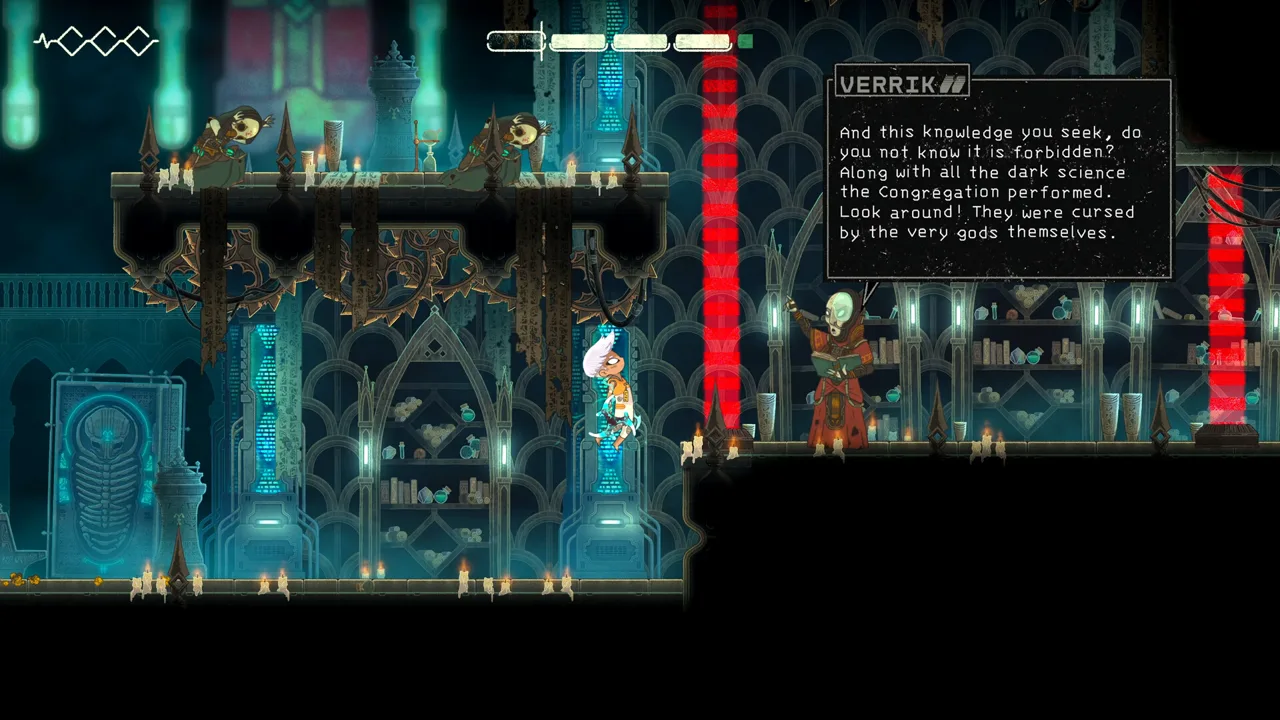 Image: Steam / Moonlight Kids
This system connects secret hunting with route planning. A discovery may be valuable because it reveals a new possibility, while a shortcut may help you reach that possibility more efficiently.
| Time interaction | Established effect |
|---|---|
| Collecting time pickups | Extends the loop |
| Healing | Uses time |
| Trading | Uses time |
| Unlocking gates or routes | Uses time |
Give each loop a purpose
A good approach is to choose a question before setting out. You might investigate a glaive clue, revisit a survivor, or examine a route you do not yet understand.
A focused objective helps you judge your spending. If opening a route directly supports the question you are investigating, you have a reason to consider that cost. If a detour is unrelated, you can decide whether to pursue it now or note it for another attempt.
Possible objectives include:
- Investigating how a newly understood power relates to an obstacle.
- Finding out where an unfamiliar route leads.
- Revisiting a character whose role connects to a story question.
- Practicing a known path while paying attention to its hazards.
These are planning suggestions, rather than required steps. The useful principle is to make your exploration deliberate.
Compare routes by more than distance
The game emphasizes rhythm, routing, and memorizing hazards. A visually direct path deserves comparison with alternatives, especially when you are still learning how to move through it.
Consider the whole trip: which route do you understand, where are its hazards, and which time pickups are relevant to your objective? This gives you a more useful basis for planning than distance alone.
When pursuing Echo Weaver secrets, a good approach is to practice familiar routes so you can devote more attention to unresolved discoveries. You do not need to turn every loop into an attempt at perfect execution; an exploratory loop can serve a different purpose from a practiced route.
Follow the People and Mysteries of Provenance
Provenance’s secrets include the history of a failed paradise and the relationships of its survivors. You are investigating what remains of a ruined society, including the Congregation and the events surrounding its collapse.
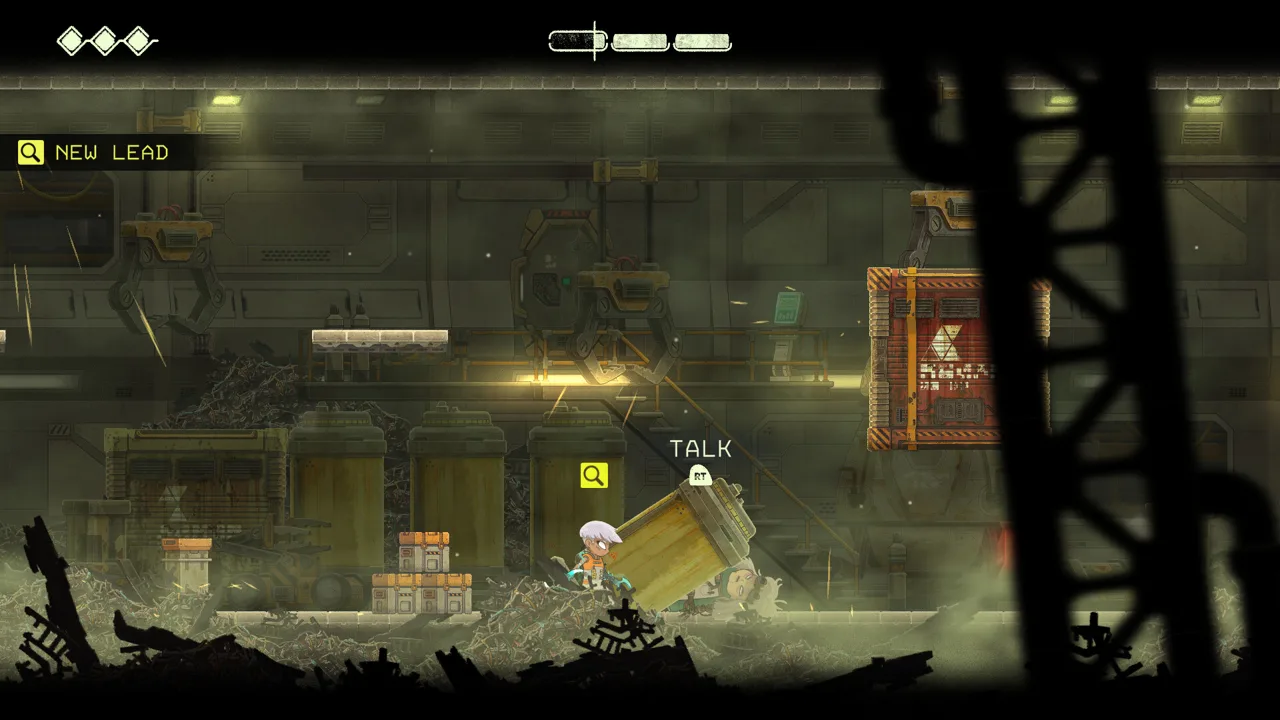 Image: Steam / Moonlight Kids
The cast matters to that investigation. The game ties your path toward freedom to understanding the people trapped in the loop, making their motives relevant alongside your knowledge of routes and powers.
| Character described in the game | Established role |
|---|---|
| Pizza-slinging cat | Guides you through the ruins |
| Cranky leader | Protects refugees after The Collapse |
| Wicked cleric | Spreads a message of doom |
These descriptions introduce contrasting perspectives. Guidance through the ruins, protection of refugees, and preaching doom all connect to different concerns within the same troubled world.
A good approach is to keep track of what a character tells you and what that information actually establishes. A statement can be useful without resolving the entire mystery.
Separate a clue from your interpretation
When a revelation suggests a connection, write down the evidence and your theory separately. This helps you avoid treating an interesting possibility as a settled answer.
For example, you can organize story notes around:
- What you learned about the Congregation.
- What you learned about The Collapse.
- What remains unclear about the Weaver’s history.
- Which character might relate to an unanswered question.
These categories follow the game’s established mysteries without assuming their solutions.
Echo Weaver secrets can involve both practical knowledge and narrative understanding. A shortcut answers a navigation problem; a conversation may help explain why the world reached its current state. Keeping both kinds of discovery in view gives your exploration context.
The release-date trailer presents the glaive as a key connected to truth, knowledge, and a golden path. Treat that imagery as a thematic invitation to investigate. Its poetic language does not provide an exact interaction sequence or a complete explanation of the ending.
Build a Repeatable Approach to Finding Secrets
A useful secret-hunting routine turns discoveries into questions you can revisit. Since Echo Weaver makes learning central to progression, notes can help you connect information gathered across different attempts.
Keep them compact. You need enough detail to remember the connection, without creating a record so elaborate that it interrupts the adventure.
For each unresolved discovery, consider noting:
- Location: Where did the question arise?
- Observation: What did you actually see or learn?
- Connection: Which power, character, or earlier clue might relate to it?
- Next experiment: What would help you test that connection?
Distinguish discovery from practice
Exploration and route practice serve related purposes. An exploratory attempt helps you investigate something unfamiliar. Practicing a known route helps you learn its hazards and flow.
A good approach is to choose which purpose matters for your current question. If you are investigating an unknown interaction, leave room to observe. If you already understand where you want to go, concentrate on navigating the route.
That distinction follows the game’s emphasis on learning and choreography. It also gives you a fairer way to assess an attempt: discovering a useful clue can matter even when the route was inefficient.
Return to the question that stopped you
Before seeking another lead, review an unresolved obstacle in light of your latest discovery. Does the new information change your interpretation? Can you now propose a more specific experiment?
This is where Echo Weaver secrets become useful knowledge. You are building connections among powers, paths, time costs, and the world’s story.
A productive next loop begins with something concrete: a clue to follow, a route to reconsider, or a character to understand. Let that question guide your exploration, then revise it according to what you actually learn.
FAQ
What are Echo Weaver secrets?
Echo Weaver secrets are discoveries that help you understand your existing powers, uncover hidden shortcuts, and unravel Provenance’s mysteries. Knowledge drives progression, so learning how something works can create new possibilities without an equipment upgrade.
Do you need to unlock new powers in Echo Weaver?
The game’s stated design makes every power available from the outset. The discovery lies in understanding those capabilities and their applications. Progress centers on what you learn about the tools already at your disposal.
How does time work as currency?
Time pickups extend the loop. You also spend time on actions including healing, trading, and opening gates or routes. A good approach is to connect that spending to the question or destination you are currently pursuing.
How can you investigate secrets without spoiling the story?
Keep notes about unresolved obstacles, glaive clues, and character revelations, then form your own hypotheses. Revisit familiar areas when you learn something relevant. This gives you direction while preserving the discovery of specific puzzle solutions and story answers.
Join the community
Official channels for news, updates and player help: