
Echo Weaver Developer Streams: Where to Watch and Join
Find Echo Weaver developer streams, explore developer Q&As, and learn where to follow Moonlight Kids for community events and behind-the-scenes updates.
Jump to
Where to Watch Echo Weaver Developer Streams
A hidden shortcut can change your entire loop, and Echo Weaver developer streams offer a chance to understand the thinking behind those discoveries. Start with Moonlight Kids’ Discord for development sessions, Akupara Games’ Twitch channel for publisher-hosted events, and Steam for broadcasts and announcements. Echo Weaver developer streams are especially interesting when you want to understand the game’s movement, time management, and puzzle design without immediately reaching for a complete walkthrough.
Each channel serves a different purpose. Discord has hosted regular development sessions, while Akupara’s broadcasts have included developer conversations alongside broader game announcements. Steam brings gameplay broadcasts and game updates together.
| Destination | Echo Weaver content featured there | How to follow along |
|---|---|---|
| Moonlight Kids’ Discord | Weekly development streams and community activities | Check current announcements for the next session |
| Akupara Games’ Twitch channel | Publisher events and an Echo Weaver developer Q&A | Check the event announcement for its schedule |
| Echo Weaver on Steam | Developer gameplay broadcasts, announcements, and updates | Follow the game and check its broadcast area |
| Moonlight Kids’ website | Development updates and stream announcements | Look through the studio’s Echo Weaver posts |
Earlier development sessions ran every Thursday on Discord. Keep that historical schedule separate from your next viewing plan: check the current event announcement for its date, start time, and time zone before setting a reminder.
The Moonlight Kids official website features development updates and stream announcements. You can also visit Echo Weaver on Steam to follow the game, download the demo, or check for a broadcast.
Developer Gameplay, Q&As, and Showcases Explained
Echo Weaver developer streams have included several formats, so read the event description before clearing your evening. A demo playthrough focuses on gameplay; a developer Q&A gives more room to discuss creative decisions; a publisher showcase moves between multiple games.
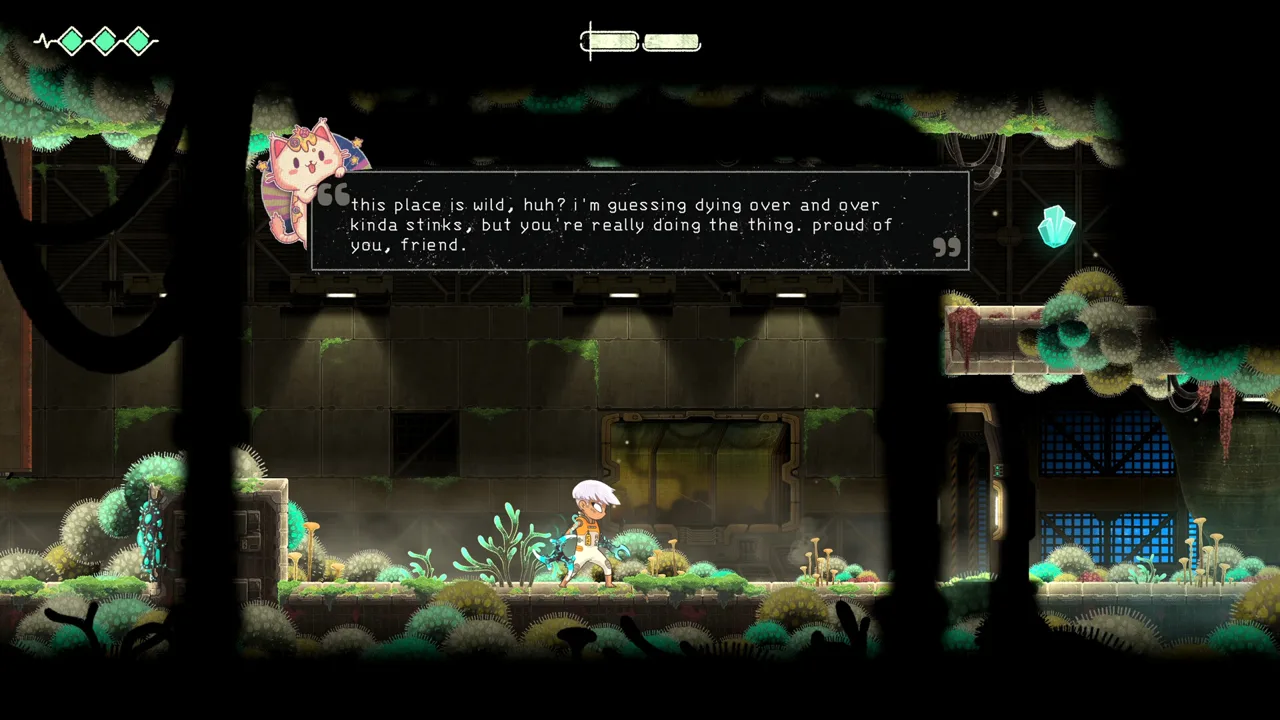 Image: Steam / Moonlight Kids
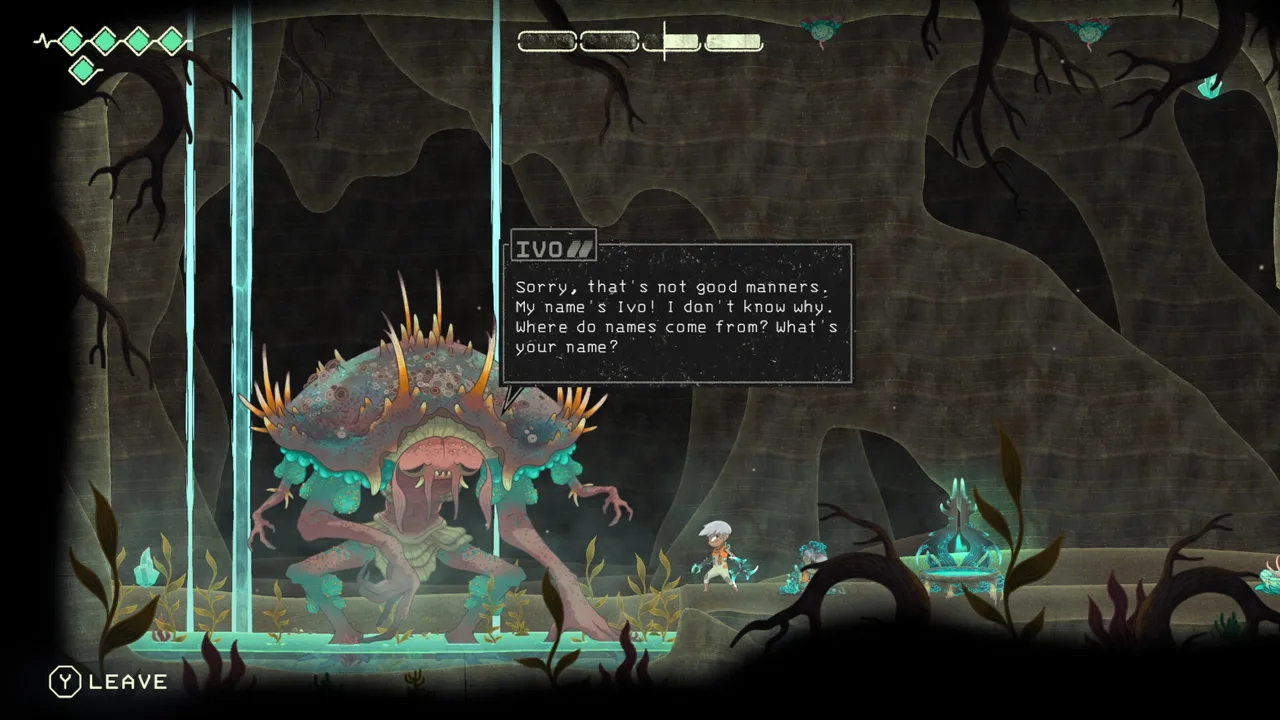
One dedicated demo stream featured Ankit from Moonlight Kids playing through the game and explaining its features, gameplay, and inspirations. That combination gives you something a trailer cannot: time to watch individual decisions unfold while hearing why the game works that way.
Akupara Games also scheduled an Echo Weaver developer Q&A during the livestream following its September 6 anniversary Direct. The overall event began at noon Pacific. That was the event’s start time, so avoid treating it as a recurring Echo Weaver appointment.
| Format | What it covers | Detail to check before watching |
|---|---|---|
| Developer demo playthrough | Gameplay, features, and inspirations | Which demo or build is being played |
| Discord development session | Work in progress and development discussion | The session’s current date and subject |
| Publisher-hosted Q&A | Creative decisions and behind-the-scenes discussion | Echo Weaver’s place within the larger event |
| Showcase appearance | Trailers and selected gameplay footage | Whether the appearance includes extended discussion |
Keep trailers, guest gameplay, and developer sessions distinct. An appearance in a showcase does not automatically mean an extended conversation with Moonlight Kids. Likewise, a community member playing the demo offers a different perspective from someone explaining the systems they helped build.
Before watching, decide what you want answered. For movement, look for a gameplay session. For the relationship between secrets and progression, choose a developer discussion. For release news and community activities, check the latest announcements.
Echo Weaver launched on October 8, 2026. Older sessions still offer development context, but their prerelease plans and demo layouts belong to that stage of the game’s history.
What the Streams Reveal About the Time Loop
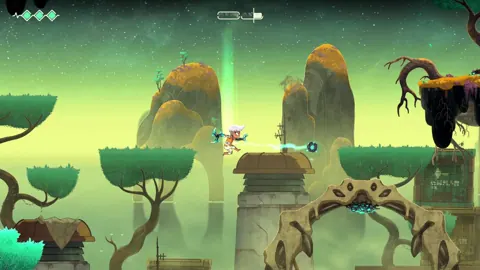
The appeal of Echo Weaver developer streams goes beyond watching someone complete tricky platforming. The game ties exploration to knowledge, which makes the reasoning behind a room or shortcut particularly interesting.
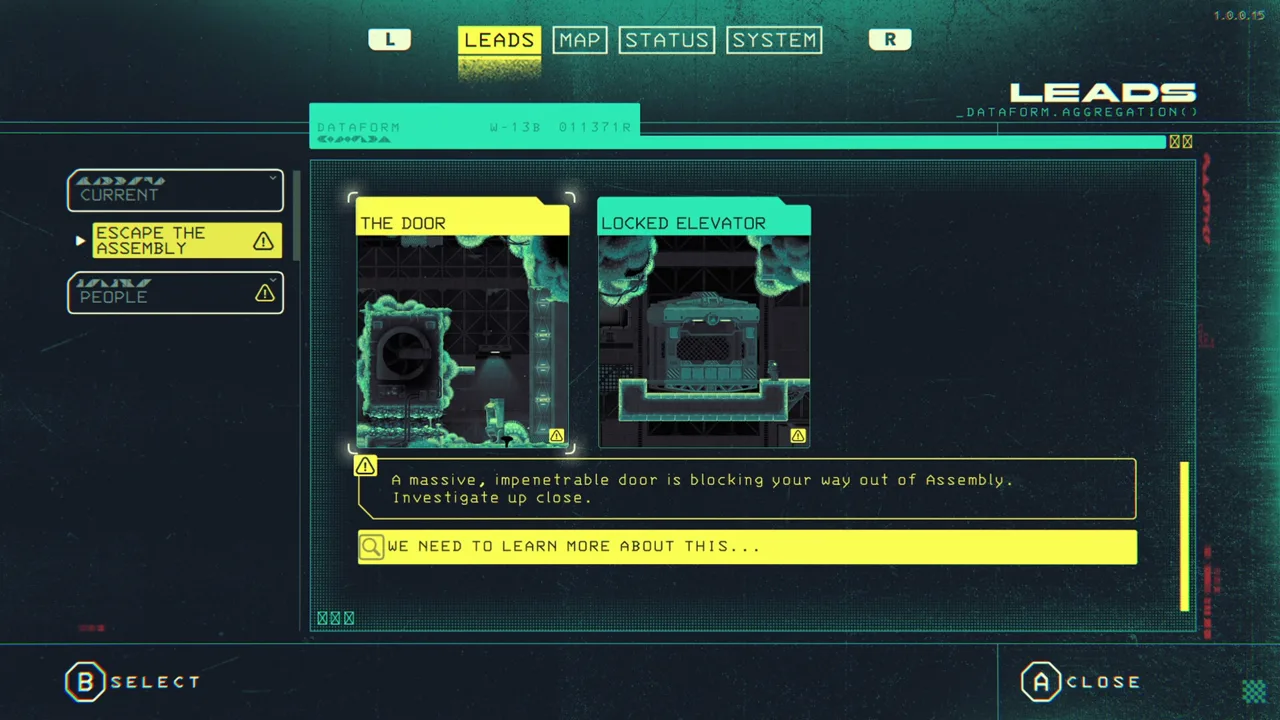 Image: Steam / Moonlight Kids
Your core abilities are available before you understand all their uses. Progress comes from discovering what you can do, recognizing opportunities, and carrying that understanding into another loop. A familiar room can become a different problem once you understand another technique.
The clock connects those discoveries. Each loop begins with one minute, and time crystals extend your available time. The interface represents minutes as chunks called bells. Time also pays for actions such as healing, creating a direct relationship between survival and exploration.
| System | How it works | What to pay attention to |
|---|---|---|
| Knowledge-based progression | Understanding existing abilities opens possibilities | How a lesson changes the reading of an earlier obstacle |
| Loop timer | Loops begin with one minute; crystals extend them | The route between time pickups and your objective |
| Healing | Restoring health consumes a minute of time | The time remaining after a heal |
| Shortcuts | Remembered routes help you navigate later loops | Where a passage reconnects with familiar terrain |
| Time trials | Wayfinder Plinths challenge your routing | How the opening route affects arrival time |
Watch the route leading up to a discovery as closely as the discovery itself. A fast arrival can depend on an earlier shortcut, a different approach, or less time spent retracing rooms.
The dive valve offers a clear example of the game’s teaching design. It blocks passage from below and opens when the player dives through it from above. A sequence of these obstacles teaches the relationship between movement and the environment through repeated use.
Loop resets also have a distinction worth remembering: learning a route and permanently changing the world are different things. A wall broken during one loop can return after a reset, while your knowledge of the passage remains useful.
When watching, ask how the game communicates that difference. Which visual cues make a route recognizable? Which obstacles teach a technique? Those questions reveal more about the design than simply counting how quickly someone crosses a room.
Watch Without Giving Away Your Next Discovery
Echo Weaver developer streams can reveal exactly the knowledge you would otherwise discover through play. Choose how much of that you want before starting an extended session.
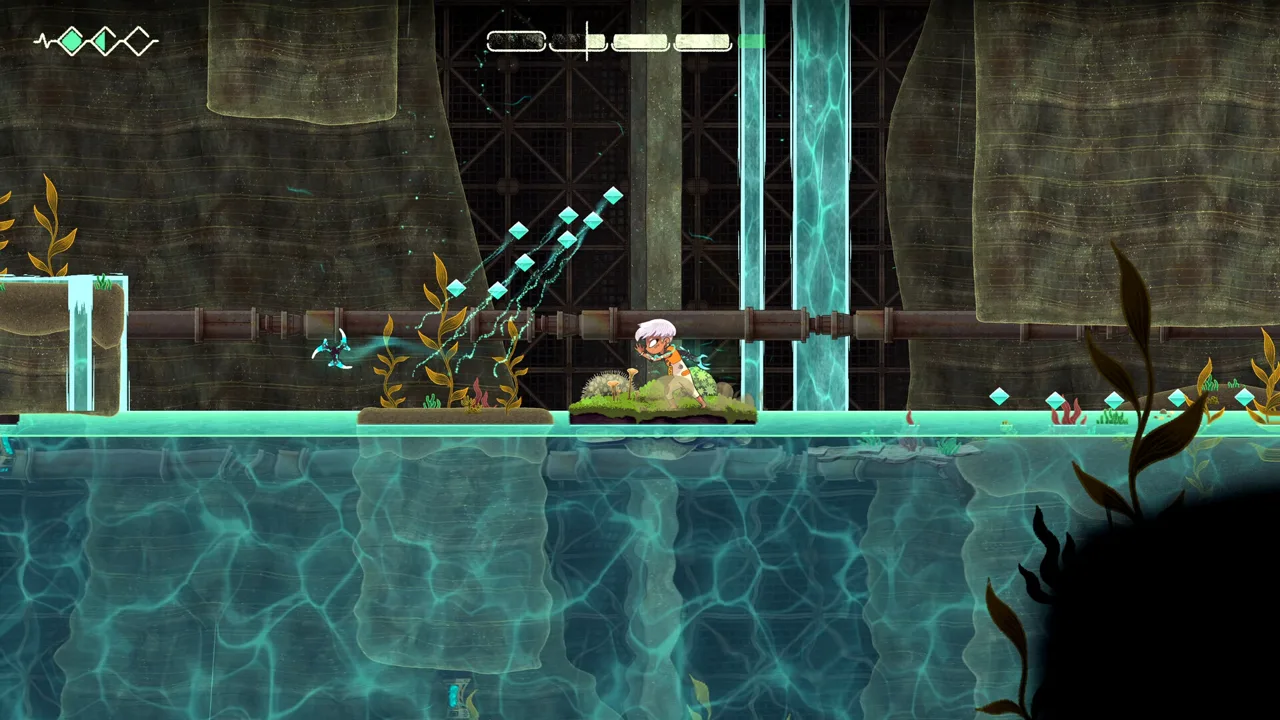 Image: Steam / Moonlight Kids
For a broad introduction, focus on art, development tools, interface changes, and general design discussion. Save detailed ability demonstrations and late-game routing for after you have explored those systems yourself.
Try the demo before watching a full playthrough if the opening mystery interests you. Even a short stretch of exploration gives you familiar rooms to think about when the developers discuss their decisions.
Use this checklist to keep your viewing focused:
- Pick a subject: movement, art, time management, or development.
- Check whether the session covers the demo or the released game.
- Ask for a hint before requesting a complete solution.
- Describe your location and what you have already tried.
- Stop watching when the discussion reaches a discovery you want to make yourself.
Keep practical notes about questions rather than copying every route. “How does this room teach its mechanic?” preserves more room for experimentation than a detailed sequence of inputs.
Build differences matter, too. The updated demo changed room layouts, revised its leads interface, added story material, and introduced three time-trial plinths. After launch, balance patch 1.0.0.63 adjusted several platforming challenges and teaching moments. Hotfix 1.0.0.64 then addressed additional issues and softened a difficult Prison Block plinth time.
| Before copying a technique | Check this detail | Why it matters |
|---|---|---|
| Repeating a demo route | Which demo version is on screen | Rooms and routes changed between demos |
| Comparing a difficult section | The game’s patch version | Post-launch updates adjusted challenges |
| Following controller inputs | Your platform and controller setup | Input prompts and bindings affect execution |
| Chasing a plinth time | Whether that challenge has been updated | A later patch changed a Prison Block target |
Use an older broadcast to understand the idea behind a route. Practice the execution in your current build.
Join the Community and Ask Useful Questions
Echo Weaver developer streams sit within a community that also shares routes, tackles puzzles, discusses problems, and celebrates discoveries. Moonlight Kids’ Discord welcomes gameplay help, bug reports, casual conversation, and pet pictures.
Community activities have included Discord emoji puzzles and a demo speedrun competition. The updated demo’s competition centered on three plinths, with players submitting their fastest times in the #ew-speedrun channel. Its prizes and deadline belonged to that particular event.
Use those past activities as examples of what to watch for in new announcements. Check each event’s rules before entering, especially its submission method, closing time, and eligibility requirements.
For a developer Q&A, ask questions that give the team room to explain a decision:
- “How do you teach a movement technique without revealing it too early?”
- “What helps players remember shortcuts between loops?”
- “How do you balance spending time on healing against exploration?”
- “What changed after watching people play the demo?”
These subjects connect directly to the game’s design. They also keep the discussion useful to players who are at different points in the story.
When asking for gameplay help, state your spoiler preference first. “Hint only, please” gives other players a clear boundary. Then explain the obstacle and the technique you are trying to use.
For a bug report, include your platform, game version, location, and the actions leading to the problem. Separate the expected behavior from what happened. Keep detailed story information out of a general conversation when a dedicated help discussion would serve it better.
Follow Echo Weaver on Steam alongside the community channels. Patch notes give you concrete changes to check before repeating a troublesome section, while event announcements help you find the next opportunity to hang out with the team.
FAQ
Where can I watch Echo Weaver developer streams?
Start with Moonlight Kids’ Discord for development sessions, Akupara Games’ Twitch channel for publisher-hosted events, and Echo Weaver’s Steam page for broadcasts. Check the studio’s official website for development updates and stream announcements.
Are developer streams held every Thursday?
Earlier development sessions ran weekly on Thursdays through Discord. Check current community announcements for the date, time zone, and subject of the next session before making plans.
Do Echo Weaver developer streams contain spoilers?
Gameplay demonstrations can reveal abilities, shortcuts, and puzzle solutions because knowledge drives progression. Start with general development or art discussions, and save detailed routes for areas you have already explored.
Can I try Echo Weaver before watching a full playthrough?
Yes. A demo is available through the Echo Weaver Steam page. Play it first if you want to experience the opening discoveries yourself, then return to developer discussions with specific questions.
Continue with
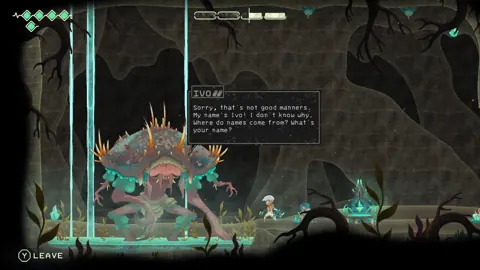 Echo Weaver Metacritic: Scores, Reviews, and VerdictExplore Echo Weaver metacritic scores, critic reviews, and gameplay details to decide whether its time loops and knowledge-based progression suit you.
More in Community
See all CommunityUseful pages
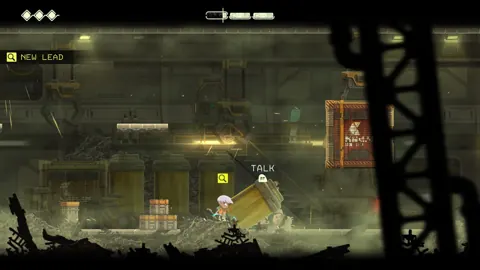
Echo Weaver Release Date: Launch, Platforms, and Demo
See the Echo Weaver release date of October 8, 2026. Explore Steam platforms, demo info, PC specs, and tips for its knowledge-driven time-loop adventure.
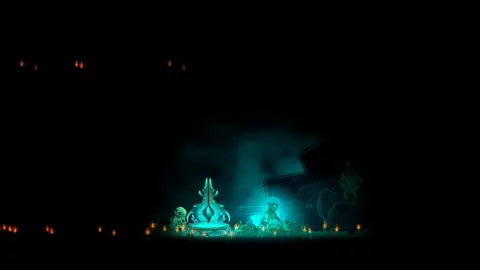
Echo Weaver Achievements: Your 100% Completion Guide
Master Echo Weaver achievements with a practical completion order, collectible goals, time trial tips, and patch fixes. Plan your route to 100% completion.
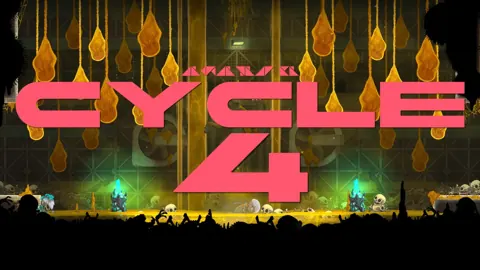
Echo Weaver Echo Rifts: Learn Skills and Break the Loop
Explore Echo Weaver echo rifts to uncover memories, understand the Glaive, and plan smarter loops. Learn where to look and how to use each new revelation.
Echo Weaver Demo Room Changes: What Changed and Why
Explore Echo Weaver demo room changes, from redesigned routes and new puzzles to echo rifts and time trials. Find your footing before the next loop begins.
Join the community
Official channels for news, updates and player help: