
Echo Weaver trailer: Launch Details and Gameplay Guide
Watch the Echo Weaver trailer and explore its time-loop gameplay, knowledge-based powers, launch details, and practical tips for navigating Provenance.
Jump to
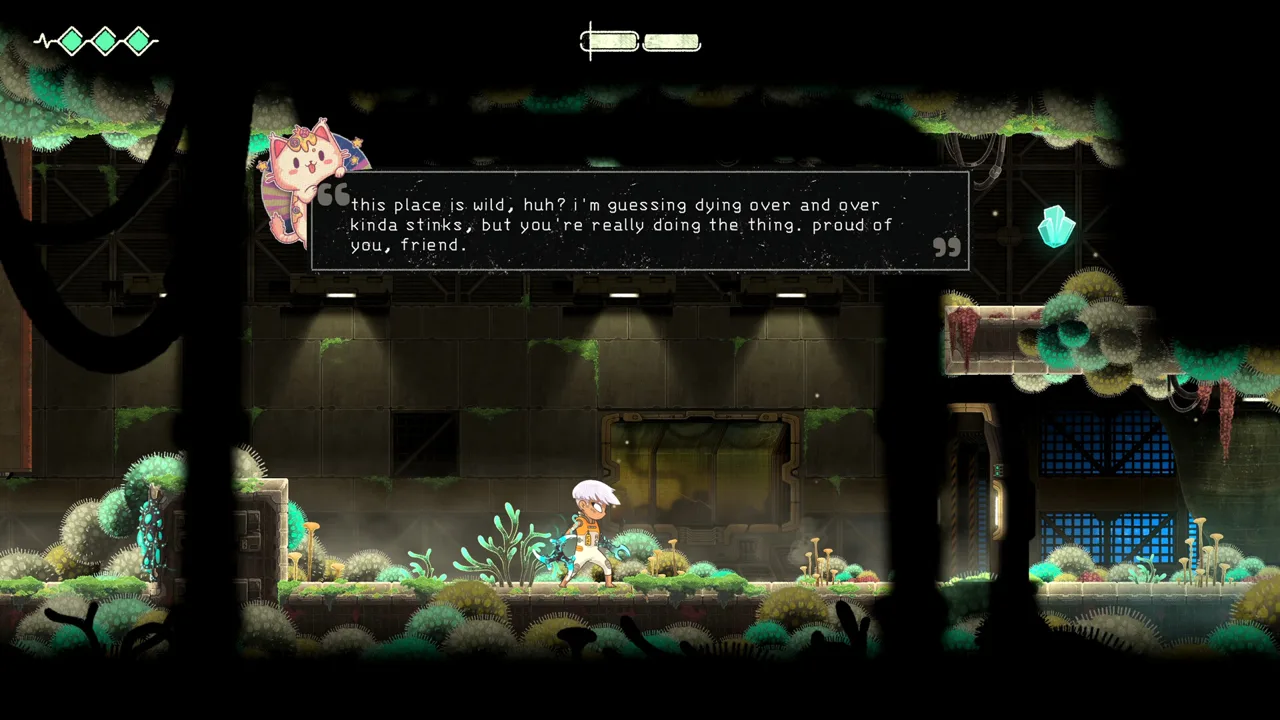
What the Echo Weaver Trailer Tells You About the Adventure
A ruined colony, a repeating disaster, and a pizza-obsessed cat give the Echo Weaver trailer an unusual opening pitch. Its central idea matters because progress depends on understanding the world and your existing powers, making each discovery useful beyond the moment you find it. The Echo Weaver trailer introduces that premise with absurd humor while pointing toward a serious goal: saving people trapped inside a fatal time loop.
Developed by Moonlight Kids and published by Akupara Games, Echo Weaver is a single-player action-adventure built around exploration, movement, and knowledge. You play the last Weaver, investigating the remains of a society whose search for paradise ended in catastrophe.
The launch trailer’s narration emphasizes learning patterns, disrupting schedules, and using foreknowledge to influence encounters. Its jokes establish a playful voice, but the underlying challenge is clear: understand the cycle well enough to break it.
You can watch the Echo Weaver launch trailer on YouTube for its introduction to the adventure.
| Trailer theme | What it means for players |
|---|---|
| Repeating events | Learning patterns is central to navigating the loop. |
| Leaping and dashing | Movement accompanies the game’s emphasis on discovery. |
| Memorable locals | Understanding the people caught in the cycle supports the larger mystery. |
| Foreknowledge | Information from previous loops can guide later decisions. |
The pizza humor also provides a useful tonal cue. This is a story about a devastated world, but its characters have room for personality, friction, and ridiculous conversations. Expect the premise to involve both the mystery of the colony and the people still trying to live within it.
A good way to approach the trailer is to listen for how its ideas connect. Repetition creates recognizable patterns; knowledge helps you respond differently; movement lets you put that understanding into practice.
Understanding the Knowledge-Based Metroidvania
The most important gameplay idea behind the Echo Weaver trailer is easy to overlook: your abilities are already available. Discovering how to use them supplies the progression.
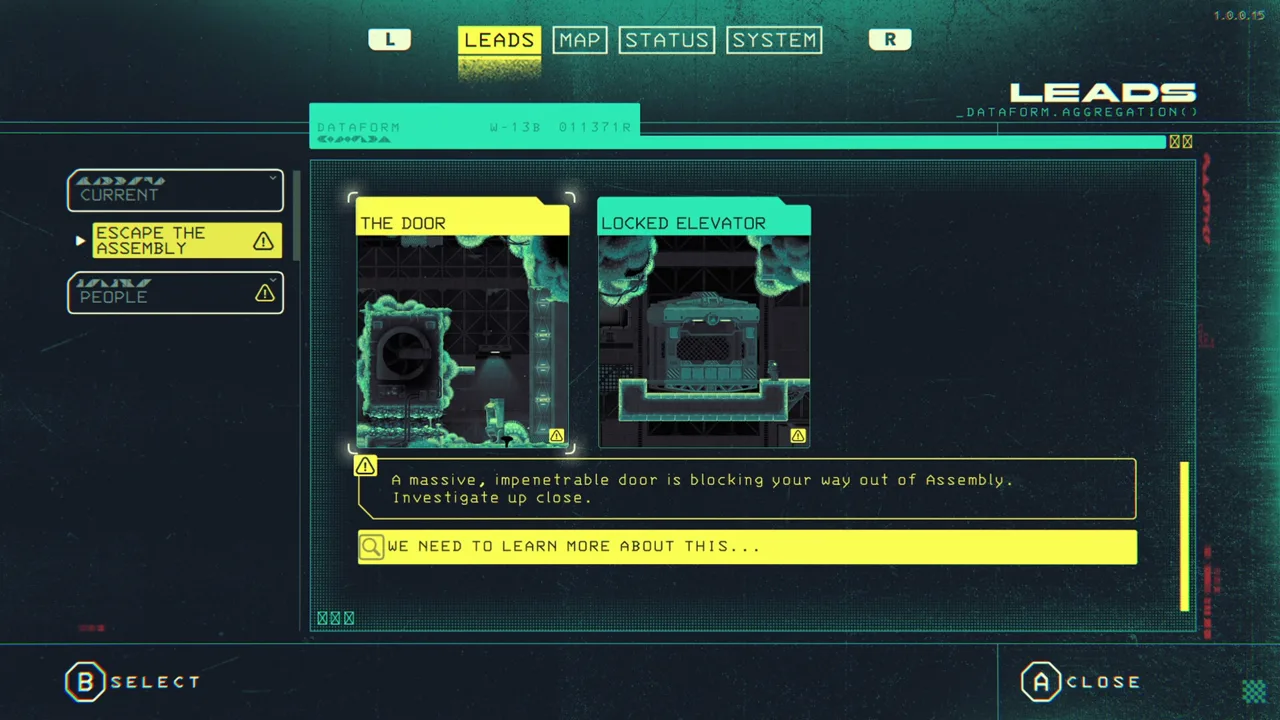 Image: Steam / Moonlight Kids
Moonlight Kids calls this approach a “metroidbrainia.” The Steam description likewise presents Echo Weaver as a knowledge-based Metroidvania, where learning takes the place of acquiring conventional upgrades.
That distinction changes how you should think about an obstacle. When something seems inaccessible, the useful question is what you have yet to understand about your tools, the environment, or the loop. The game’s stated design centers on secrets that reveal possibilities already within reach.
| Design element | Echo Weaver’s stated approach |
|---|---|
| Powers | Your powers are already at your disposal. |
| Progression | Understanding secrets expands what you know how to do. |
| Obstacles | Clever applications of existing powers can bypass barriers. |
| Exploration | Discoveries from past loops can reveal hidden shortcuts. |
| Repetition | Each reset offers another opportunity to improve your approach. |
A good approach is to describe discoveries in terms of cause and effect. If an experiment teaches you something about a power, make a brief note explaining what you tried and what happened. That can be more useful than recording only where you found the clue.
It also helps to separate unanswered questions from understood mechanics. “I do not know how this works yet” gives you a clear reason to revisit something. Treating every unfamiliar obstacle as a demand for an upgrade could send you looking for progression the game explicitly replaces with knowledge.
The Echo Weaver trailer reinforces this through its emphasis on learning and foreknowledge. You may encounter the same starting conditions, but your understanding can change how you navigate them.
For a player who enjoys solving mysteries, that makes information valuable in its own right. A revelation can alter how you read a familiar area, even before you uncover a new location.
Time, the Glaive, and Planning Your Route
Echo Weaver gives its repeating cycle a practical cost: time is a consumable resource. Pickups extend the loop, while actions such as healing, trading, and opening routes draw from it.
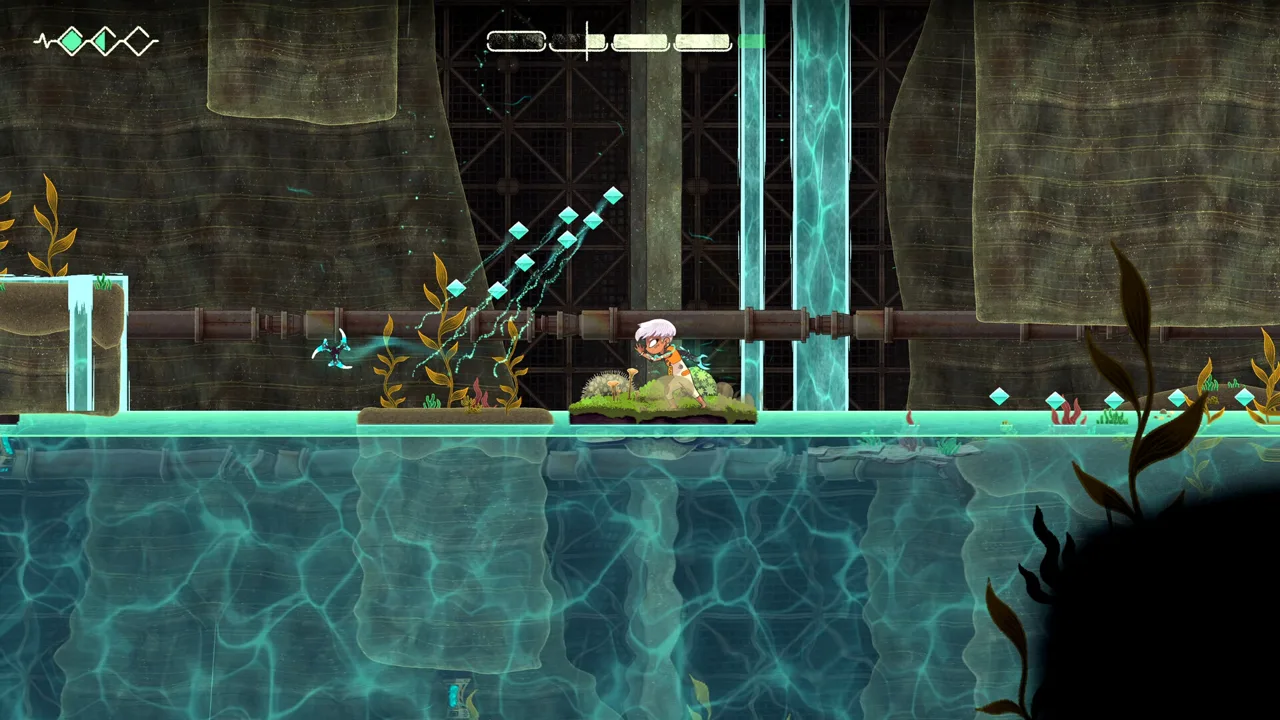 Image: Steam / Moonlight Kids
That means the clock has several jobs. It governs the cycle while also functioning as something you can spend. A route that teaches you a useful secret may have value even if it does not immediately bring you closer to your intended destination.
| Mechanic | Confirmed function | Planning tip |
|---|---|---|
| Time pickups | Extend the loop | Consider their locations when planning an exploration route. |
| Healing | Consumes time | Account for healing when deciding what to attempt during a loop. |
| Trading | Uses time as a resource | Consider a trade alongside your other goals for that attempt. |
| Gates and routes | Can require spending time | Think about what access could let you investigate. |
| Alien glaive | Provides reality-bending powers | Look for applications that help you bypass obstacles. |
The alien glaive is bound to the Weaver and supplies powers that interact with the game’s reality. Its description encourages experimentation, finding clever ways around obstacles, and using earlier revelations to uncover shortcuts.
The available details do not establish exact commands or individual glaive techniques. A practical starting point is to pay attention whenever the game explains an interaction, then consider whether that principle applies to an obstacle you already encountered.
The Echo Weaver trailer’s energetic movement pitch fits another stated design priority: rhythm and routing matter more than raw reflexes. Learning hazards and arranging your movement through the ruins are part of the intended experience.
A good approach is to give an exploratory loop a focused question. You might investigate an unfamiliar route or work toward understanding a glaive interaction. A clear objective makes it easier to identify what you learned when the cycle ends.
Once you understand more of an area, consider how those discoveries fit together. A known shortcut, a time pickup, and an access point can all affect your intended route. Planning around established knowledge gives the repeating world a purpose beyond simply trying the same path again.
Provenance’s Characters and the Mystery Behind the Loop
The Echo Weaver trailer uses comedy to introduce a story with bleak stakes. The last Weaver belongs to a ruined society, and the people around you are confined to a repeating catastrophe.
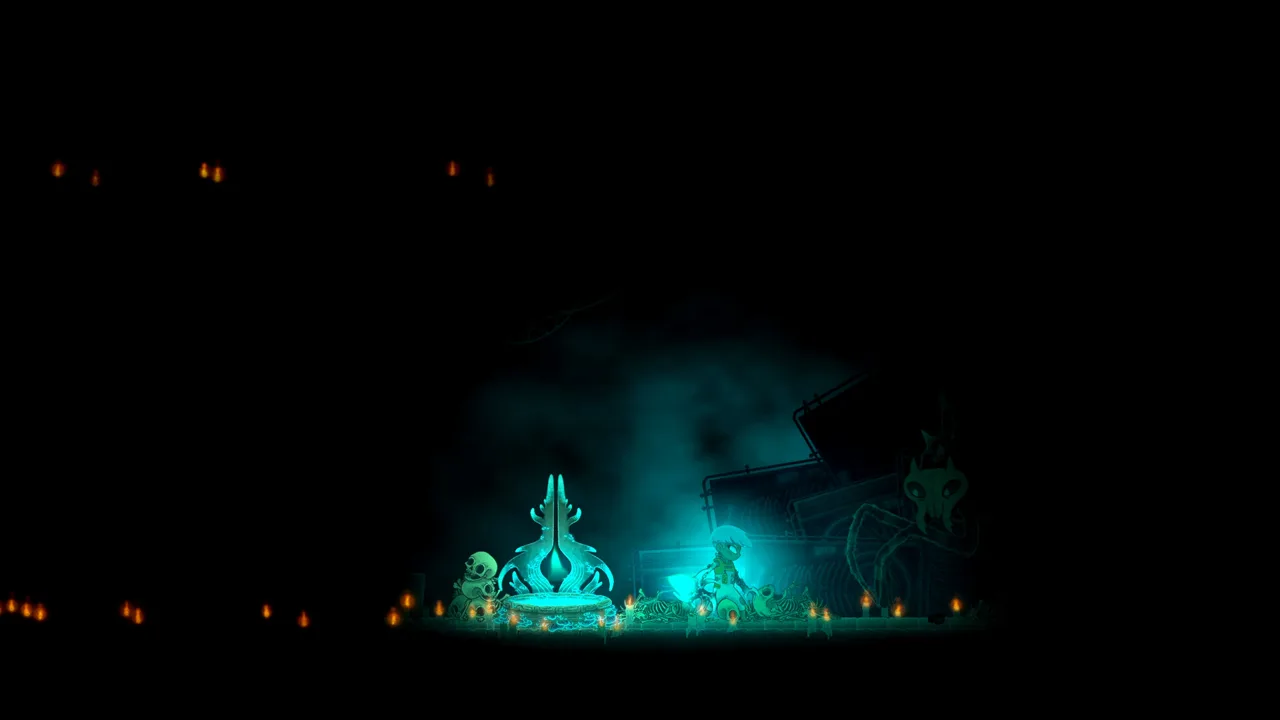 Image: Steam / Moonlight Kids
The colony is called Provenance in the game’s official description and Steam listing. Its history involves a collapse, survivors trying to protect a future, and a conspiracy at the center of the world. The Congregation is also part of the mystery surrounding the destruction of the society’s utopia.
Those details give exploration a narrative purpose. You are investigating what happened while learning about the people who remain inside its consequences.
The cast includes a pizza-slinging cat who guides you through the ruins, a cranky leader protecting refugees after The Collapse, and a cleric preaching doom. Their differing roles suggest why understanding the inhabitants matters alongside understanding the environment.
The trailer highlights friendships, enemies, and questionable social choices. It also connects foreknowledge with the ability to respond differently to people and events. However, it does not establish a specific dialogue system, relationship meter, or branching-ending structure.
A good approach is to keep track of character information that gives you a reason to investigate further:
- What does a character seem to want?
- What have you learned about their place in the colony?
- Which statements help explain the catastrophe?
- What remains unclear about their involvement in the loop?
These are prompts for attentive exploration. They can help you connect story details without assuming every conversation hides a mandatory puzzle.
The Echo Weaver trailer’s humor makes the cast approachable, but the premise gives their circumstances weight. Learning a route through the ruins and learning why someone is still struggling there serve the same broader goal: understanding a world you are trying to free.
Release Details and What to Know Before Playing
Echo Weaver’s Steam release date is October 8, 2026. Its Steam listing identifies it as released, and the official game page advertises availability on PC and console.
The official page still includes an older release-date field marked “TBA.” The released Steam listing and the page’s current availability banner provide the relevant launch status.
The Echo Weaver trailer discussed here is titled as a PS5 launch trailer. Steam separately lists Windows and macOS support. Those details establish the PC options and the trailer’s PlayStation context; the Steam date should not be treated as a verified release date for every console.
| Release or PC detail | Listed information |
|---|---|
| Steam release date | October 8, 2026 |
| Developer / publisher | Moonlight Kids / Akupara Games |
| Player mode | Single-player |
| Steam operating systems | Windows and macOS |
| Minimum Windows OS | Windows 10 or later |
| Minimum processor | Core i3-9300T or AMD FX 8350 |
| Minimum memory | 4 GB RAM |
| Minimum graphics | NVIDIA GTX 660 or AMD R7 260X |
| Required storage space | 4 GB |
| Controller support | Full controller support; gamepad recommended |
You can view Echo Weaver’s Steam store page to check purchase options and the current listing. The Windows requirements above should not be treated as macOS specifications.
Steam also lists camera comfort, color alternatives, subtitle options, and custom volume controls. Checking the available settings is a useful starting point before settling into exploration, especially if you have specific visual or audio preferences.
The store description draws a comparison with Outer Wilds and Ori and the Blind Forest. That provides context for the intended mix of discovery and action-adventure movement, while Echo Weaver’s own premise centers on existing powers, consumable time, and a repeating colony.
If the Echo Weaver trailer catches your attention, carry its learning-focused pitch into your approach. Treat a reset as a chance to apply something you discovered, pay attention to how time supports your choices, and let unanswered questions guide your next investigation.
FAQ
Where can I watch the Echo Weaver trailer?
You can watch the Echo Weaver launch trailer on YouTube. It is titled “Echo Weaver - Launch Trailer | PS5 Games.” The Steam store page also lists a launch trailer.
Is Echo Weaver available now?
Yes. Echo Weaver’s Steam listing gives a release date of October 8, 2026, and marks the game as released. Its official game page also advertises availability on PC and console, although an older information field still says “TBA.”
How does progression work in Echo Weaver?
Progression depends on knowledge. The game states that your powers are already available, and discovering secrets teaches you how to use them. Learning interactions, uncovering shortcuts, and understanding the loop expand your options.
What does time do besides count down the loop?
Time is a spendable resource. Pickups extend the loop, while healing, trading, and opening gates or routes can consume time. Planning involves considering both where you want to go and how your actions use that resource.
Continue with
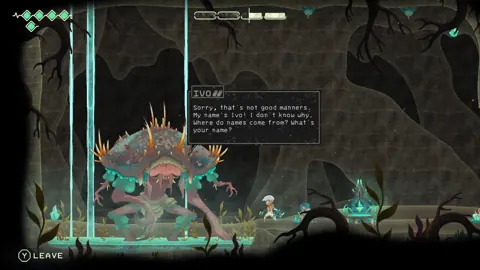 Echo Weaver launch trailer: Secrets, Loops, and TipsExplore the Echo Weaver launch trailer, learn how its time loop and glaive work, and get practical tips for uncovering secrets before your reset begins.
More in Release
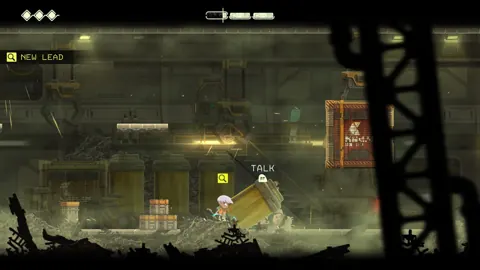
Echo Weaver release date: Launch, Platforms, and Demo
See the Echo Weaver release date of October 8, 2026. Explore Steam platforms, demo info, PC specs, and tips for its knowledge-driven time-loop adventure.
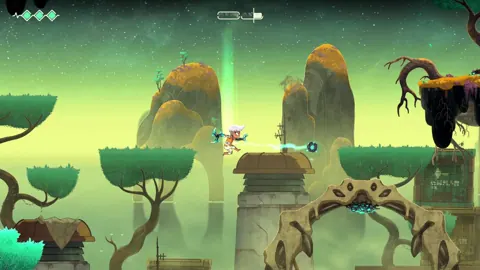
Echo Weaver release: Date, Platforms, and Launch Guide
Explore the Echo Weaver release date, Steam platforms, PC requirements, and time-loop gameplay. Get ready to uncover secrets and plan your next adventure.
Join the community
Official channels for news, updates and player help: