
Echo Weaver Echo Rifts: Learn Skills and Break the Loop
Explore Echo Weaver echo rifts to uncover memories, understand the Glaive, and plan smarter loops. Learn where to look and how to use each new revelation.
Jump to
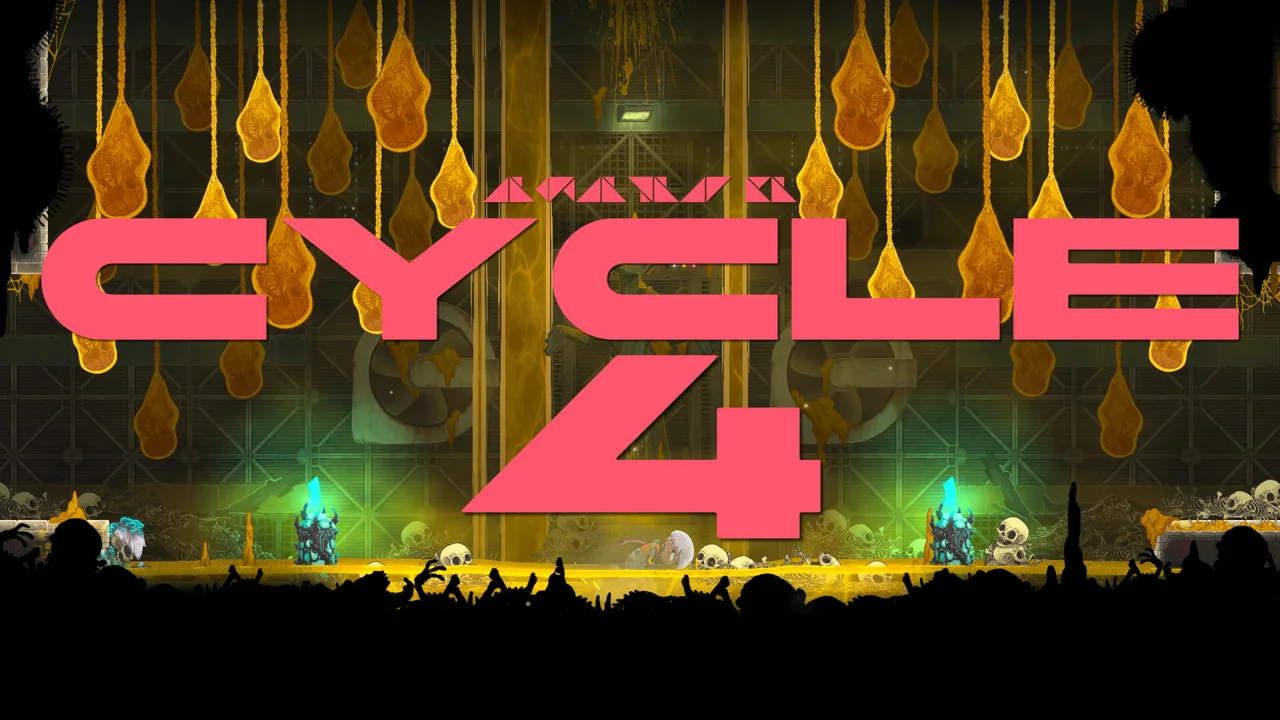
What Are Echo Weaver Echo Rifts?
A memory can open a route you have walked past for several loops. Echo Weaver echo rifts reveal pieces of Provenance’s past while teaching you how to use powers that change your exploration. Understanding Echo Weaver echo rifts helps you turn a reset into progress: you return with knowledge that makes familiar obstacles easier to read.
These rifts connect the game’s mystery to its movement and puzzle systems. You are the last Weaver, trapped in a repeating cycle within a ruined colony. Looking into the past introduces other Weavers, the researchers studying them, and the experiments surrounding the Glaive.
Some memories supply context. Others teach a technique that changes how you navigate the world. That connection gives you a practical reason to pay attention to conversations: an explanation of an experiment can also explain the obstacle standing between you and the next area.
| Element | What it contributes | What to watch for |
|---|---|---|
| Past conversations | Details about researchers and other Weavers | References to experiments, subjects, and unfinished work |
| Glaive demonstrations | Knowledge of your central tool | How throwing, recalling, and other interactions work together |
| Revelations | An understanding of abilities and their uses | Instructions you can practice in the surrounding area |
| Historical clues | Context for Provenance and its collapse | Connections to characters and unresolved leads |
Echo Weaver’s progression revolves around understanding abilities rather than collecting a conventional sequence of equipment upgrades. There are still collectibles that improve resources such as starting time. The central discoveries, however, teach you what your character can do.
Read a rift as both a story scene and a lesson. Before leaving, identify what it explained and which obstacle that explanation helps you approach.
Official page: Echo Weaver (store.steampowered.com)
Read the Memories, Then Practice the Glaive
The Glaive sits at the center of Echo Weaver’s exploration. You can throw it, recall it, attack enemies, and break certain locks. Its stranger applications expand the possibilities far beyond a simple ranged weapon.
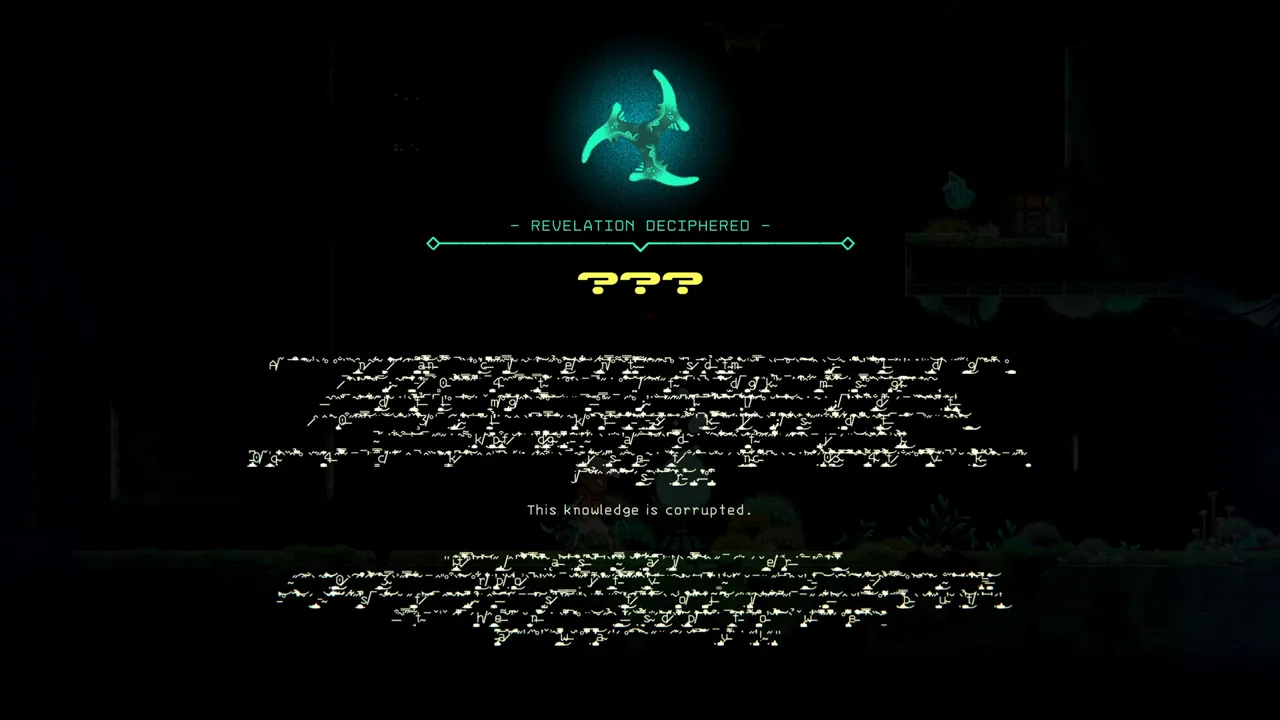 Image: Steam / Moonlight Kids
Echo Weaver echo rifts introduce those possibilities through the history of the people who investigated them. Early memories connect the weapon to research involving other Weavers. Learning about their experiences gives you both a mechanical lesson and another piece of the larger mystery.
Avoid rushing through those scenes just to reach the next room. A new ability can involve familiar actions used in an unfamiliar combination, so the important detail is often the relationship between inputs, objects, and your current state.
| Glaive interaction | Established function | Practice tip |
|---|---|---|
| Throwing | Attacks enemies and breaks certain obstacles | Test its path before committing to a longer platforming sequence |
| Recalling | Returns the Glaive to you from elsewhere | Practice retrieving it after deliberately placing it away from you |
| Folding | Enables travel to the Glaive’s position | Revisit barriers and routes with its destination in mind |
| Combining movement and tools | Supports shortcuts and more advanced traversal | Practice a new sequence before attempting it across several rooms |
The Revelation of Folding provides an early example of how knowledge changes the map. Once you understand travel to the Glaive’s position, an obstacle becomes a question about where you can place it.
That creates a useful habit: look at destinations as carefully as the path between them. A narrow opening or an unreachable platform deserves another look after a revelation.
Give yourself time to repeat each newly taught action. Separate the setup from the execution: check where the Glaive is, what you are carrying, and what the memory asked you to do. Then repeat the complete sequence.
This also helps distinguish understanding from execution. Knowing the concept and performing it reliably are separate parts of learning. Echo Weaver echo rifts provide the lesson; practicing the surrounding challenge makes it useful during a timed route.
Reach Echo Rifts by Planning Your Route and Arrival Time
Provenance changes during each cycle. Doors close, events occur, and access to certain places depends on when you arrive. Reaching a visible rift can therefore require a different route or an earlier departure.
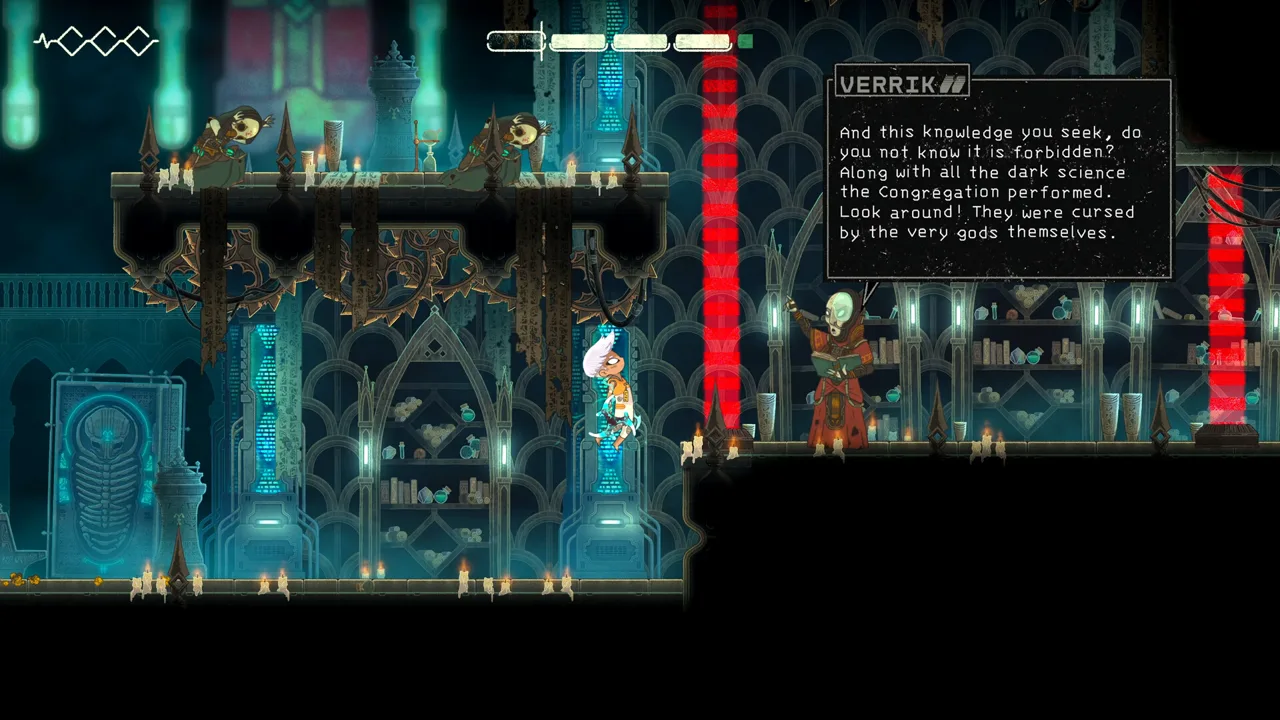 Image: Steam / Moonlight Kids
The rift near the top of town, at the bottom of the quarry, is one example where arriving earlier matters. If you keep approaching it late in a loop, repeating the same route without changing your schedule misses the problem.
Start a fresh loop with that destination as your objective. Use the shortcuts you already understand and postpone unrelated exploration until after the attempt.
Other discoveries depend on learning movement elsewhere. Grappling is taught in the Reservoir at the end of the lake. Reaching an unfamiliar interaction before its lesson can leave you with a prompt but little understanding of how to use it.
| Situation | Relevant mechanic | Next action |
|---|---|---|
| The town/quarry rift becomes difficult to reach later | Arrival time matters | Attempt the route earlier in a fresh loop |
| Blue floating points are unfamiliar | They are grapple points | Follow the lake route toward the Reservoir lesson |
| A dive valve blocks passage | Diving from above opens its hatches | Approach from above and use the dive |
| A familiar route feels too slow | Knowledge opens shortcuts | Recheck earlier rooms using your newest technique |
Dive valves illustrate the game’s teaching style. They block passage from below but allow you through from above when you dive. Their placement makes understanding movement part of progressing through the environment.
Apply that same attention to the spaces around Echo Weaver echo rifts. Examine the approach, the obstacle, and the action the area is asking you to practice.
Use Intermind’s leads to keep your investigation focused. Review unresolved threads before setting out, then choose a concrete destination. “Reach the Reservoir” gives your loop more direction than wandering between several unfinished mysteries.
When you discover a shortcut, connect it mentally to its destination. Practice traveling through it deliberately so you can recognize the route again when the clock matters.
Make Each Loop Serve a Specific Discovery
Time is both your limit and a resource you spend. Pickups extend the current loop, while healing, trading, and opening certain routes draw from your available time.
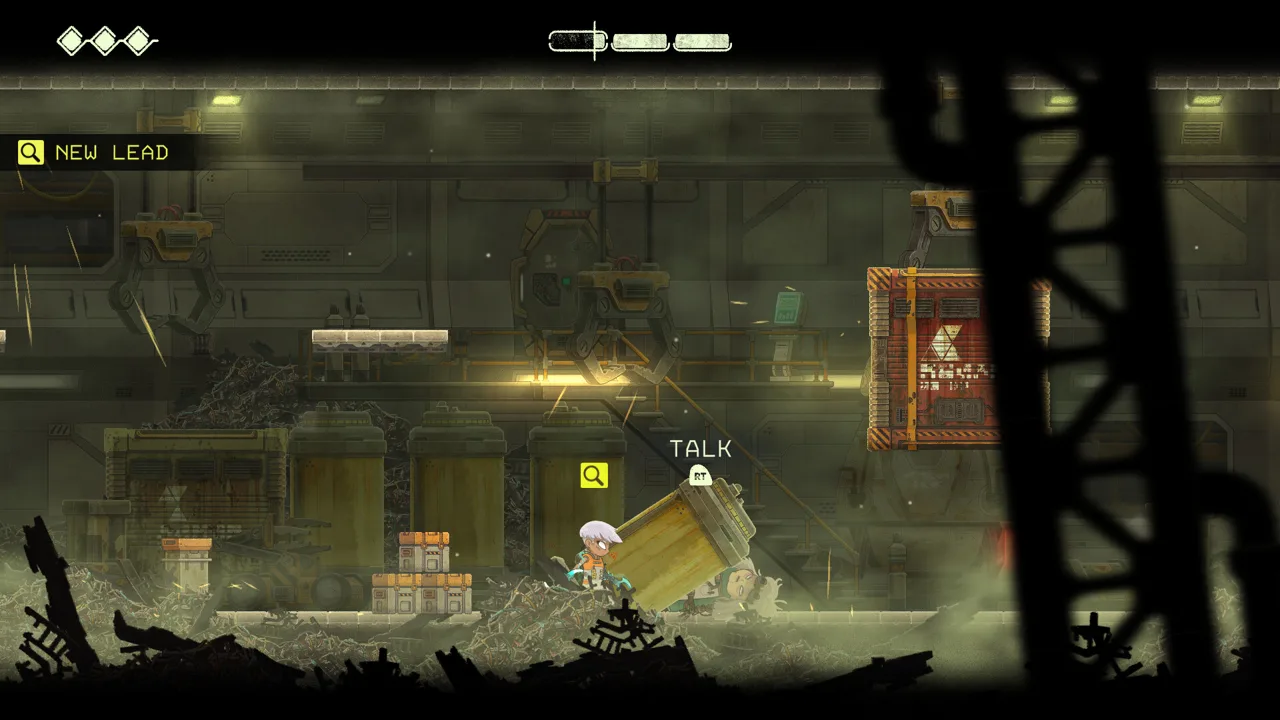 Image: Steam / Moonlight Kids
The loop has a maximum duration of 13 minutes. Some collectibles increase the amount of time available at the start, but extending your resources does not remove that overall ceiling.
That makes planning useful even after your movement improves. A route with plenty of time pickups can support a longer expedition, while spending heavily before an unfamiliar section leaves less room to experiment.
| Loop activity | Time consideration | Practical tip |
|---|---|---|
| Collecting time crystals | Extends the current cycle | Gather accessible crystals along your planned route |
| Healing | Consumes loop time | Avoid repeated damage on familiar stretches |
| Trading or opening routes | Can require time expenditure | Consider the remaining journey before spending |
| Traveling to distant areas | Some regions have fewer crystals | Build your reserve before setting out |
Give each attempt a purpose. Use one loop to reach a memory, another to practice its technique, and a later attempt to connect that technique to a larger objective. You have repeated opportunities to work through the world.
For Echo Weaver echo rifts, a useful checklist is:
- Choose the memory or lead you want to pursue.
- Identify the shortest route you currently understand.
- Collect time along the approach.
- Read the scene and practice the action it teaches.
- Revisit an obstacle that fits the lesson.
A loop that ends after a revelation still gives you something valuable. The next attempt begins with a clearer understanding of what to do and where to go.
Avoid trying to explore every branch during the same attempt. Follow one lead far enough to understand its next requirement, then decide whether to continue or change objectives on a later loop.
Wayfinder Plinths give you another way to practice routing. Their time trials measure how quickly you reach them from the loop’s start. Use those challenges to refine movement through familiar terrain before a more demanding trip.
Use the Updated Rift Tutorials When You Get Stuck
Echo Weaver echo rifts received targeted changes after launch. Balance Patch #1, version 1.0.0.63, adjusted several tutorial routes and lessons, including areas where the challenge was making players think they needed to return later.
Anchor Node Jurat received an angled platforming challenge to introduce a concept used afterward. Its layout also received additional guidance to help you encounter memories in the intended order.
Anchor Node Vera received clearer teaching dialogue. The approach to Anchor Node Mercy was rebalanced to reduce the platforming friction on the way to its lesson.
These changes matter when you are following an older memory of the game’s layout. Use the updated area’s teaching cues, and work through the local challenge before searching for an unrelated upgrade.
Version 1.0.0.63 also fixed a problem that prevented completion of the Anchor Node Jurat tutorial when the current loop was already at maximum time. If that specific lesson stopped behaving as expected on an earlier build, update before repeating the attempt.
Keep the following habits when a revelation feels difficult to apply:
- Read the teaching dialogue again. Identify the action it describes before attempting the entire route.
- Follow the nearby memory sequence. Jurat’s updated layout guides you through its lessons in order.
- Check your setup. Compare the position of your Glaive and your actions with the lesson.
- Practice locally. Repeat the technique before relying on it during a longer expedition.
- Review your leads. Return to the question the discovery was helping you answer.
The leads interface also received post-launch attention. Version 1.0.0.63 grouped NPC shortcut leads into a single thread for easier reference. Version 1.0.0.64 fixed some NPC threads that were closing early.
Use those organized leads to choose your next journey. Echo Weaver echo rifts give you pieces of the solution; movement practice, route knowledge, and attention to timing let you put those pieces together.
FAQ
What do Echo Weaver echo rifts do?
Echo Weaver echo rifts reveal scenes from Provenance’s past. They provide story context and teach knowledge that helps you understand abilities, solve obstacles, and find routes through the world.
Do I need to relearn abilities after every loop?
The knowledge you gain remains useful across loops. Once you understand a technique, you can apply it on later attempts. The opening tutorial has some restrictions, so a fresh playthrough’s introduction does not immediately allow every action available in the wider world.
Where do I learn grappling?
The grappling lesson is in the Reservoir at the end of the lake. The blue floating objects you encounter are grapple points. Follow that route if you have found them before understanding the interaction.
What should I do if I cannot reach a rift?
Check both your route and your timing. The rift near the top of town and bottom of the quarry requires an earlier arrival. Review your leads, practice recently learned movement, and use familiar shortcuts to make a focused attempt.
Continue with
 Echo Weaver One Way Platforms: Your Dive Valve GuideLearn how Echo Weaver one way platforms work, why you can't drop through them, and how dive valves open routes. Plan smarter paths through every time loop.
More in Features
Echo Weaver Dive Valve Guide: How to Open the Hatches
Learn how the Echo Weaver dive valve works, open its hatches with a dive from above, and recognize one-way barriers so you can keep exploring the ruins.
Echo Weaver Glaive Powers: Teleportation and Combat
Learn how Echo Weaver glaive powers support teleportation, combat, and lock interactions. Plan smarter routes and use the time loop to practice your moves.
Echo Weaver Secrets: A Guide to Glaive and Time Loops
Discover Echo Weaver secrets, understand the glaive, and plan smarter time loops with practical tips for exploring Provenance and following hidden clues.
Echo Weaver Time Loop: How Resets and Progress Work
Learn how the Echo Weaver time loop works, what survives resets, and how bells, time crystals, and hidden abilities help you plan a smarter route forward.
Join the community
Official channels for news, updates and player help: