
Echo Weaver One Way Platforms: Your Dive Valve Guide
Learn how Echo Weaver one way platforms work, why you can't drop through them, and how dive valves open routes. Plan smarter paths through every time loop.
Jump to
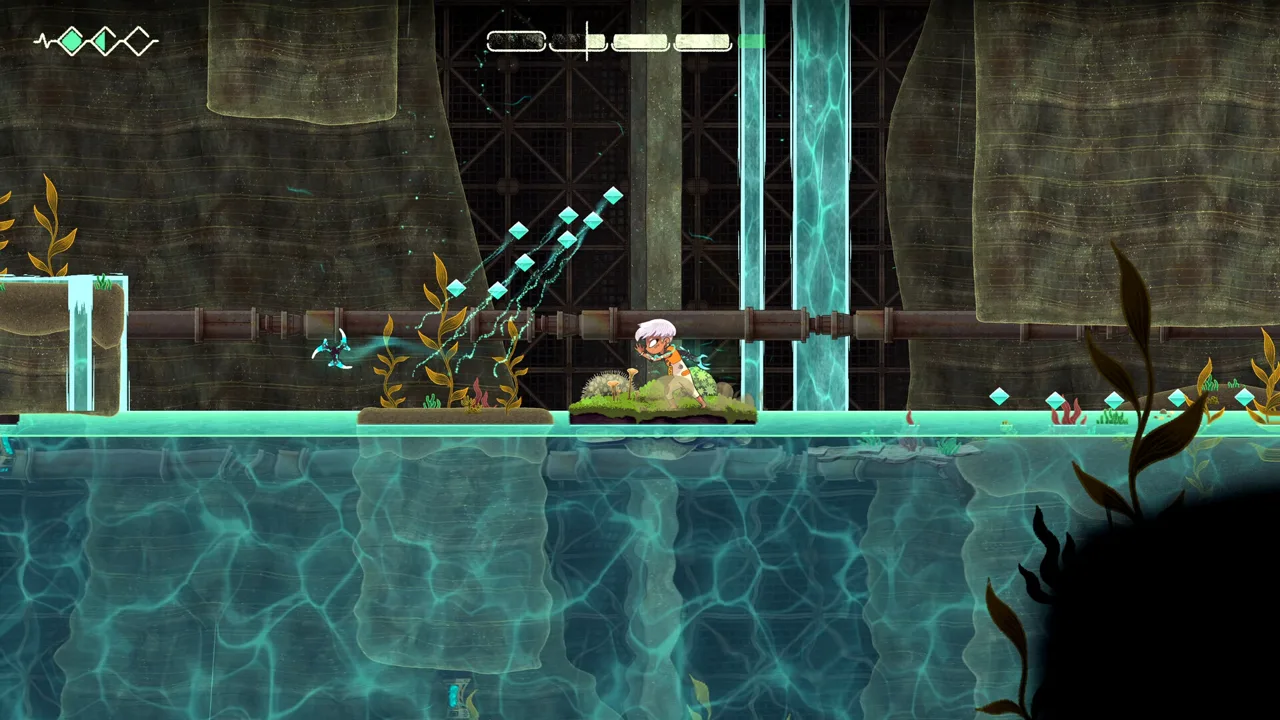
How Do Echo Weaver One Way Platforms Work?
A platform you can jump through can still block your return. Echo Weaver one way platforms allow passage from below but prevent you from passing downward through their surface, which matters when you're planning a route against the loop's clock. Understanding Echo Weaver one way platforms also helps you recognize dive valves: separate obstacles that open when you dive into them from above.
That distinction can save you a frustrating stretch of repeated inputs. Standing on an ordinary one-way platform and trying to drop through it won't turn it into a downward passage. A dive valve has a different purpose and requires a specific movement technique.
| Obstacle | Approaching from below | Approaching from above |
|---|---|---|
| Ordinary one-way platform | Allows passage upward | Blocks passage downward |
| Dive valve | Blocks passage upward | Allows passage when you perform a dive |
The familiar platforming term can create the wrong expectation. Other games sometimes let you hold down and jump to descend through a thin platform. Echo Weaver's ordinary one-way platforms don't provide that downward passage.
Treat the direction you entered from as useful information. Jumping upward through a platform tells you how that surface works; it doesn't establish a return route through the same spot.
Before committing to another jump, look at the surrounding layout. Identify neighboring ledges, open edges, and passages you've already reached. Plan around the platform's directional behavior instead of repeatedly trying to force a drop-through command.
Echo Weaver one way platforms make movement through a room directional. Learning that rule lets you spend more of the loop exploring and less of it questioning whether a button press registered.
Official page: Echo Weaver (store.steampowered.com)
How Dive Valves Turn a Blocked Floor Into a Route
Dive valves reverse the ordinary platform relationship. They stop you from entering from underneath, but their hatches open when you perform a dive from above.
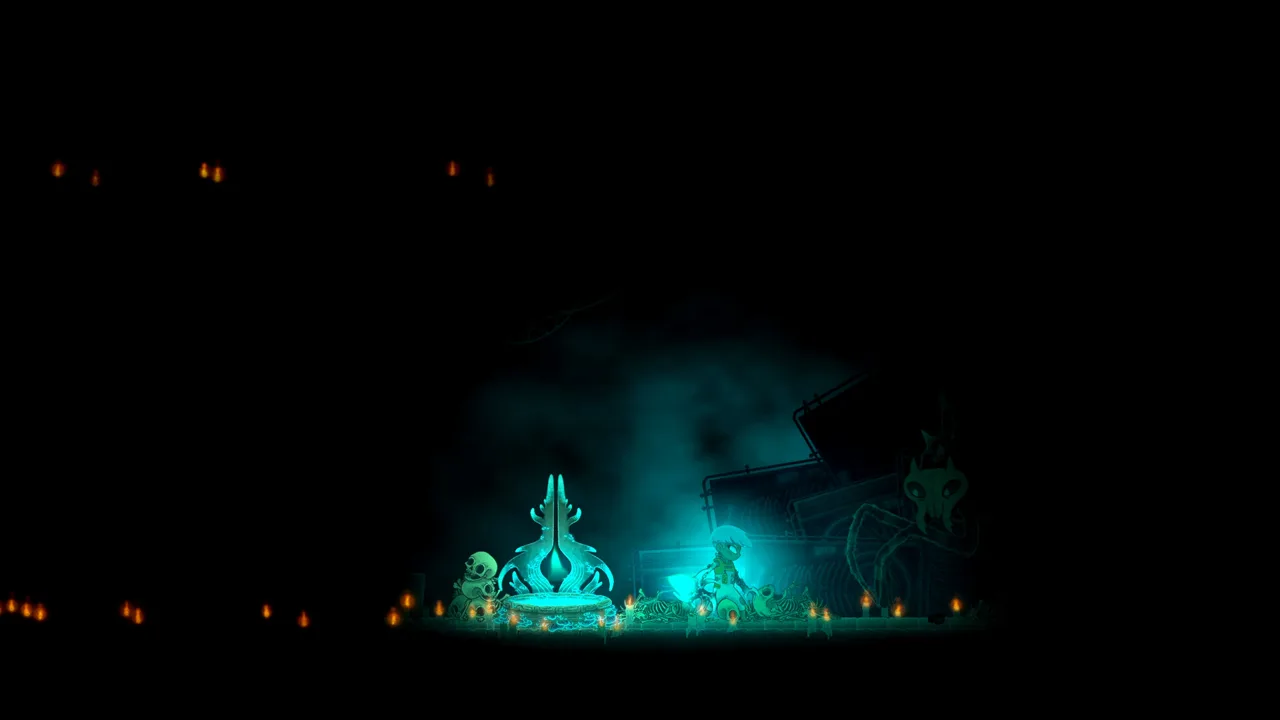 Image: Steam / Moonlight Kids
The important part is the movement itself. Simply reaching the upper side doesn't complete the interaction: you must dive into the valve to open the way.
| Situation | What to do |
|---|---|
| You're underneath a dive valve | Find a route to its upper side |
| You're above the valve | Position yourself over the hatches |
| You're ready to pass through | Perform a dive from above |
| You encounter another valve afterward | Repeat the dive interaction |
Keep the two obstacle types separate when navigating Echo Weaver one way platforms. A dive valve is a dedicated interaction, rather than a universal exception that lets diving break through every platform.
Passing Through a Dive Valve
Follow the mechanic in a clear sequence:
- Reach the space above the valve. Its underside blocks entry.
- Line up over the hatches. Keep your intended descent aimed at the opening.
- Perform the dive. The downward technique opens the valve.
- Continue through the route below. Apply the same movement when another valve appears.
The game's teaching sequence uses several valves in succession to reinforce this relationship. Repetition serves a practical purpose: you leave understanding which movement makes the obstacle respond.
Don't confuse ordinary falling with performing a dive. The valve teaches a deliberate action, and recognizing that requirement is part of solving the room.
Likewise, keep the goal focused. You don't need to solve every mystery surrounding the glaive to understand a valve. For this obstacle, concentrate on your approach direction and the dive movement.
Why These Platforms Matter to Knowledge-Based Progression
Echo Weaver one way platforms fit a world where understanding a rule can change how you navigate familiar territory. Much of your progress comes from discovering techniques and connections that give existing spaces new uses.
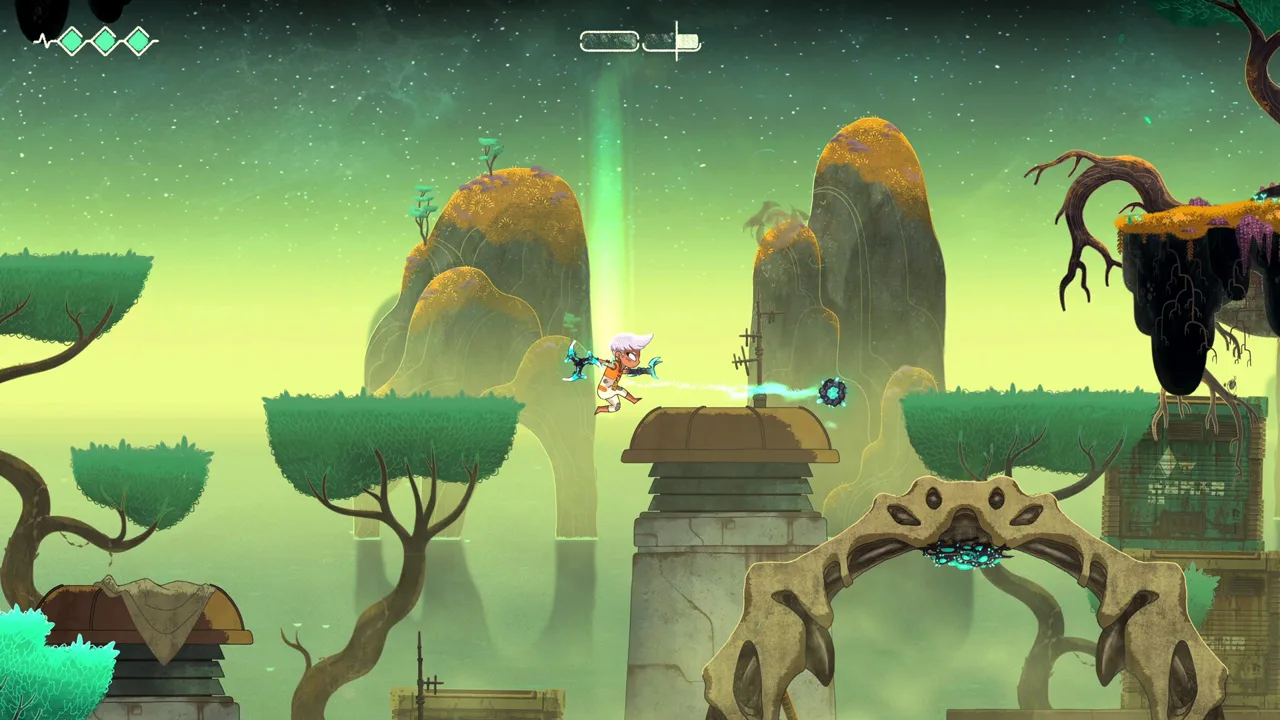 Image: Steam / Moonlight Kids
Dive valves express that idea through level design. Their teaching area holds you in a region until you understand how to dive through the exit. Learning the action supplies the solution.
That makes the obstacle more than a floor with unusual collision. It asks you to demonstrate knowledge through movement. Once you understand the interaction, a previously restrictive room becomes readable.
There is an early-game qualification to remember: the opening tutorial restricts some abilities until that introduction is complete. On a fresh playthrough, finish the introductory sequence before expecting every remembered technique to behave as it did later.
Understand What Survives a Reset
The time loop also changes the value of a shortcut. Learning where a passage is can remain useful even when a physical change to the world resets.
| Element | Behavior across loops | How to use that information |
|---|---|---|
| Learned techniques and discoveries | Knowledge carries forward | Apply what you've learned on subsequent attempts |
| Map exploration | Map progress persists | Use explored territory to plan your next route |
| A wall broken during a loop | The wall returns after a reset | Account for reopening that passage |
| Certain revealed hidden passages | Foreground artwork stays faded | Watch for previously exposed routes |
Separate remembering a route from permanently changing a route. Discovering a shortcut can transform your next attempt even when the world itself returns to its earlier condition.
For example, learning that a concealed passage connects two familiar spaces can remove a long detour from your plan. You gain that advantage by remembering the connection.
Apply the same thinking to directional obstacles. Remember which side of a platform permits passage and which side of a valve requires a dive. Those details become part of your route knowledge.
Plan Routes Around Platforms and the Loop Clock
Movement decisions matter because time serves several purposes in Echo Weaver. Collecting crystals extends your available time, while healing and certain other actions consume it. The loop's maximum duration is 13 minutes.
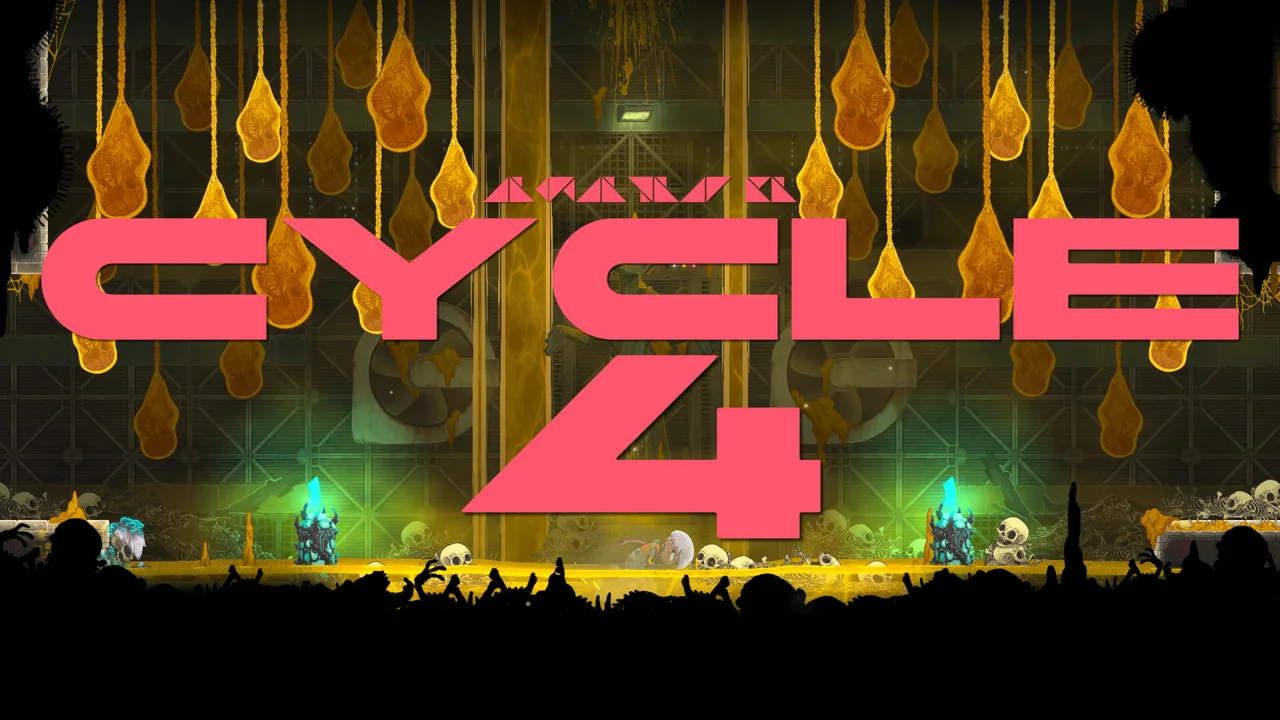 Image: Steam / Moonlight Kids
Understanding Echo Weaver one way platforms helps you avoid spending that resource on an impossible descent. Once you've identified an ordinary one-way surface, shift your attention to another route.
Build your next attempt around the obstacle that stopped you:
- For an ordinary platform, inspect the surrounding paths. Look for a way around its blocking surface.
- For a dive valve, reach its upper side. Practice the required dive rather than attacking the underside.
- For a timed door, check your arrival time. Some doors close during the loop, making timing a separate problem.
- For a concealed connection, remember its entrance. Hidden shortcuts can shorten later journeys.
These are different navigation problems. Recognizing which one you're facing keeps your next attempt specific and useful.
Give Each Attempt a Clear Purpose
Choose a manageable goal before setting out. Locate the upper approach to a valve, retrace a discovered shortcut, or practice a movement sequence that interrupted your previous run.
Avoid combining every unresolved question into the same journey. A focused attempt makes it easier to understand what changed when you succeed or fail.
Once you can pass a valve consistently, work it into your longer route. Reduce unnecessary movement between the approach, the dive, and the next destination.
Wayfinder Plinths provide a separate reason to refine that movement. Their time trials challenge you to reach destinations quickly, combining execution with route planning.
Practice the route's individual interactions before chasing a faster time. Identify the platform you must jump through, the valve you must approach from above, and the shortcut that removes a detour.
Echo Weaver one way platforms become easier to navigate when you remember them as parts of a sequence. Your route should account for their direction before you reach them.
Check the Relevant Patch Changes When an Exit Feels Wrong
Early updates adjusted navigation and controls, including a change directly involving dive valves. Balance Patch #1, version 1.0.0.63, added a dive valve at a particular fast-travel exit in the sky.
That location could previously force an unwanted loop reset or lead to an accidental discovery with substantial sequence-breaking consequences. The added valve changed the exit's navigation.
Keep the scope of that change precise. It applies to a particular sky fast-travel exit; it doesn't change the basic behavior of all ordinary platforms.
| Version | Relevant change | What it affects |
|---|---|---|
| 1.0.0.63 | Added a dive valve at a particular sky fast-travel exit | The route out of that specific exit |
| 1.0.0.64 | Fixed issues caused by rebinding controls in certain cases | Problems associated with changing input bindings |
| 1.0.0.64 | Improved visibility in the upper dark room during the introductory loop | Readability in that early tutorial room |
Check your installed version when dealing with those specific situations. An older layout or a rebinding issue can complicate a problem that otherwise looks like a misunderstanding of movement.
Keep your diagnosis simple:
- Check the surface. Decide whether you're facing an ordinary platform or a dive valve.
- Check your position. A valve requires an approach from above.
- Check the action. Perform the dive instead of relying on a normal fall.
- Check the relevant version change. Match it to the location or control issue you're experiencing.
Don't apply the sky-exit fix to every blocked route. Echo Weaver one way platforms still obey their ordinary upward-passage rule, while dive valves provide their own downward interaction.
When returning to a troublesome room, start with that distinction. It gives you a concrete movement problem to solve and a clearer plan for the next loop.
FAQ
Can you drop through Echo Weaver one way platforms?
Ordinary Echo Weaver one way platforms allow you to pass upward from below and block downward passage from above. Look for another route around the surface. Dive valves are separate obstacles designed to permit downward passage through a dive.
How do you open a dive valve?
Reach the valve from above and perform a dive into its hatches. The dive opens the passage. Approaching from underneath won't let you through because the valve blocks movement from that direction.
Does diving let you pass through every platform?
Diving opens dive valves. Ordinary one-way platforms retain their separate directional behavior. Identify the obstacle before choosing your movement, and use the dive interaction where the room presents a valve.
Why is there a dive valve at a sky fast-travel exit?
Version 1.0.0.63 added a dive valve at a particular sky fast-travel exit to address navigation problems there, including situations that could force an unwanted reset. Use its downward dive interaction when leaving that location.
Continue with
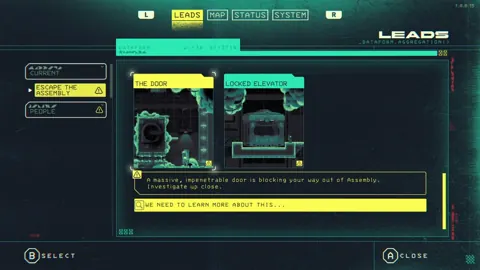 Echo Weaver Dive Valve Guide: How to Open the HatchesLearn how the Echo Weaver dive valve works, open its hatches with a dive from above, and recognize one-way barriers so you can keep exploring the ruins.
More in Features
Echo Weaver Echo Rifts: Learn Skills and Break the Loop
Explore Echo Weaver echo rifts to uncover memories, understand the Glaive, and plan smarter loops. Learn where to look and how to use each new revelation.
Echo Weaver Glaive Powers: Teleportation and Combat
Learn how Echo Weaver glaive powers support teleportation, combat, and lock interactions. Plan smarter routes and use the time loop to practice your moves.
Echo Weaver Secrets: A Guide to Glaive and Time Loops
Discover Echo Weaver secrets, understand the glaive, and plan smarter time loops with practical tips for exploring Provenance and following hidden clues.
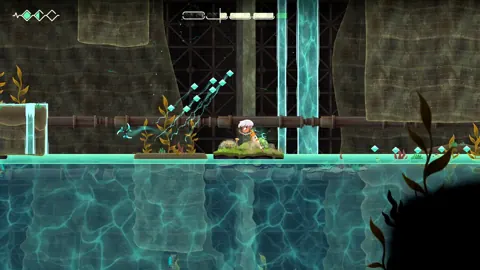
Echo Weaver Time Loop: How Resets and Progress Work
Learn how the Echo Weaver time loop works, what survives resets, and how bells, time crystals, and hidden abilities help you plan a smarter route forward.
Join the community
Official channels for news, updates and player help: